
A bowl with twenty thousand things alive in it.
One collapsed volcano. Two thousand-foot walls. The densest population of large animals anywhere on the continent, living inside a hundred square miles of crater floor.
The Ngorongoro Crater is the kind of place travel writers have called the eighth wonder of the world for so long that the phrase has stopped meaning anything. What stays true is the geometry. Two million years ago a vast volcano blew its top and the cone collapsed in on itself; what was left was a perfectly intact caldera ten miles across, walls running two thousand feet straight up, a floor sitting fifty-five hundred feet above sea level with permanent water and volcanic soils. Animals walked in. Most of them never walked out. Today, anywhere from twenty thousand large mammals are inside those walls at any given moment, a microcosm of the entire Serengeti packed into an area you can drive in a morning.
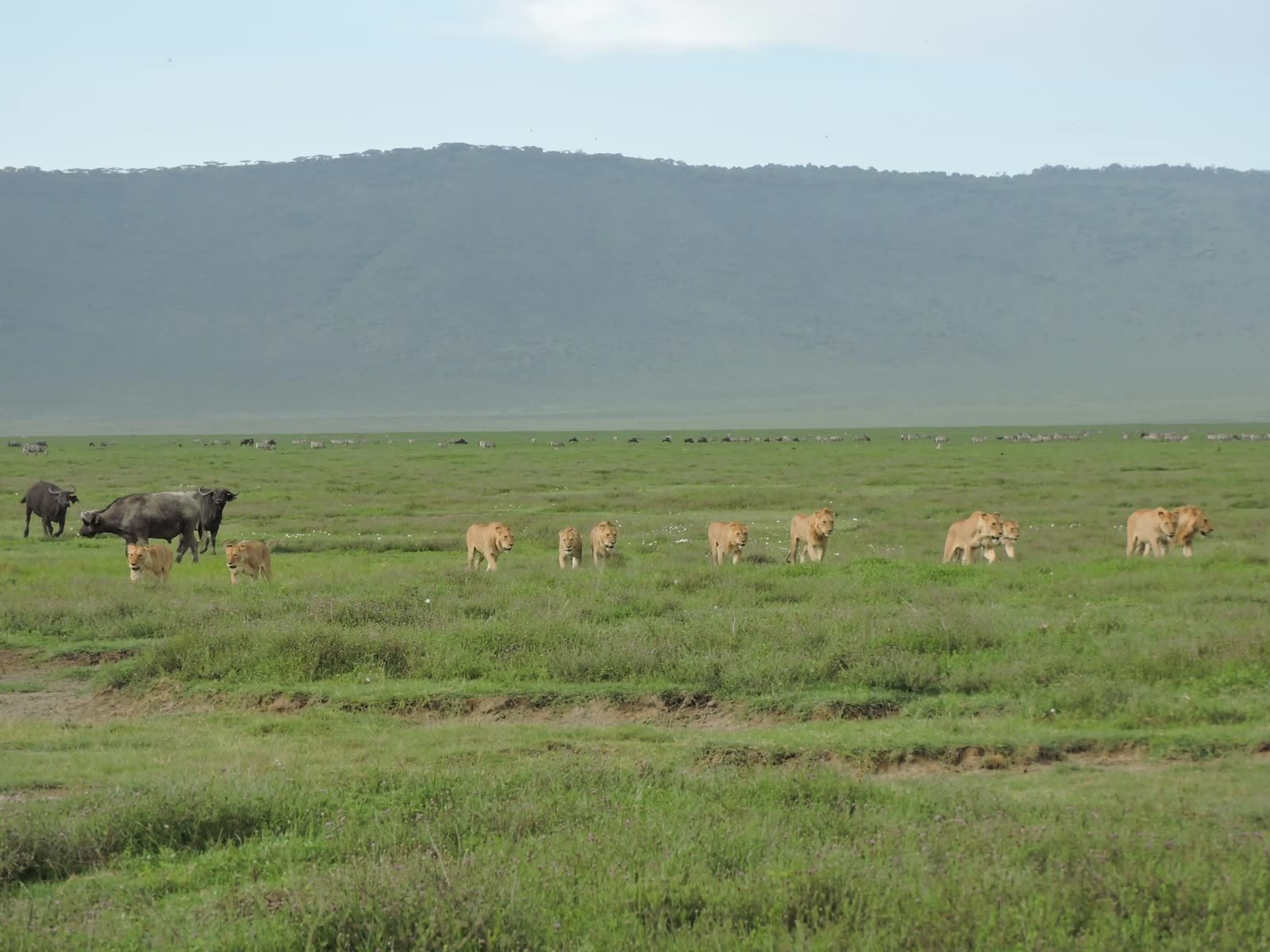
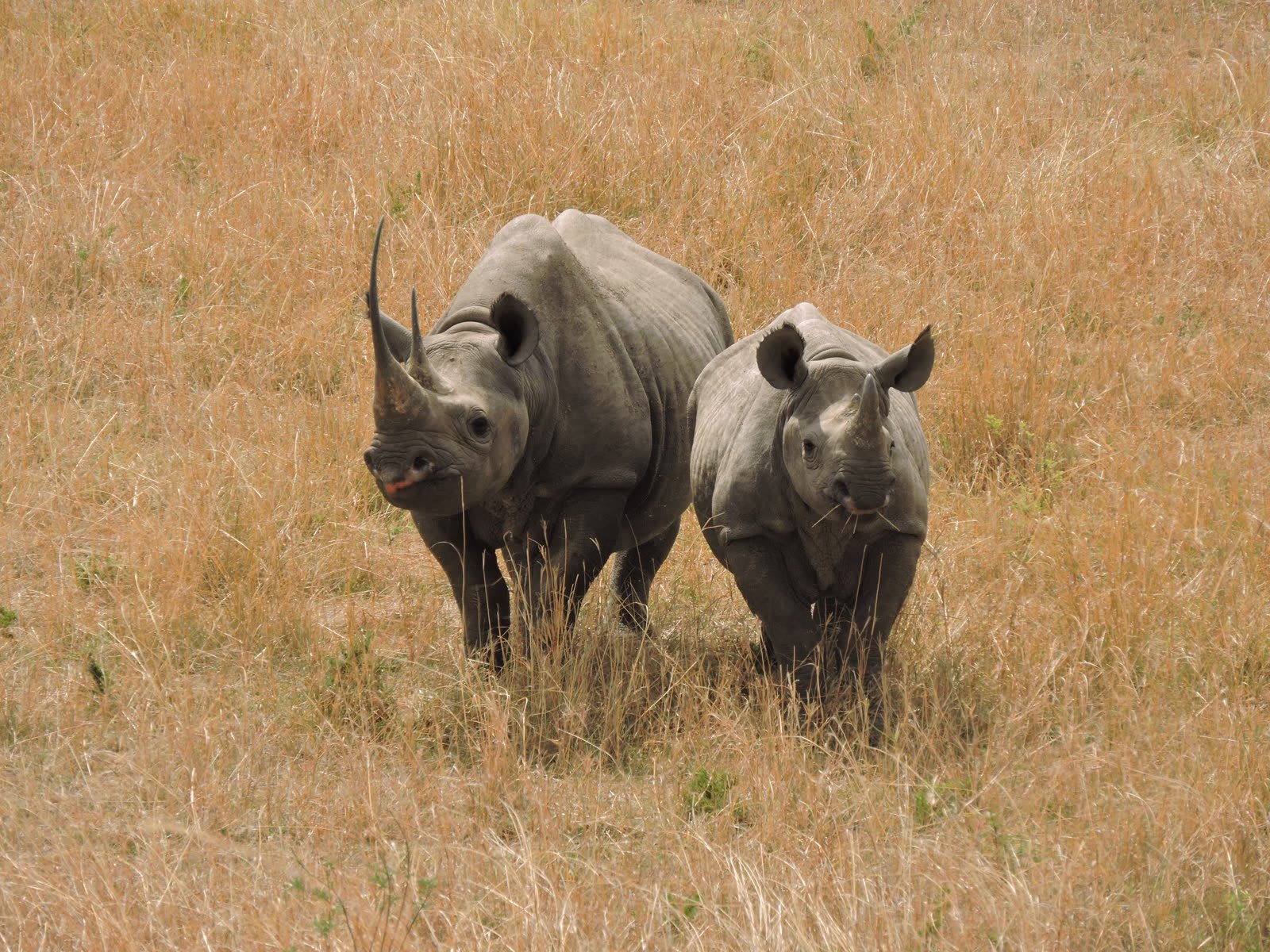
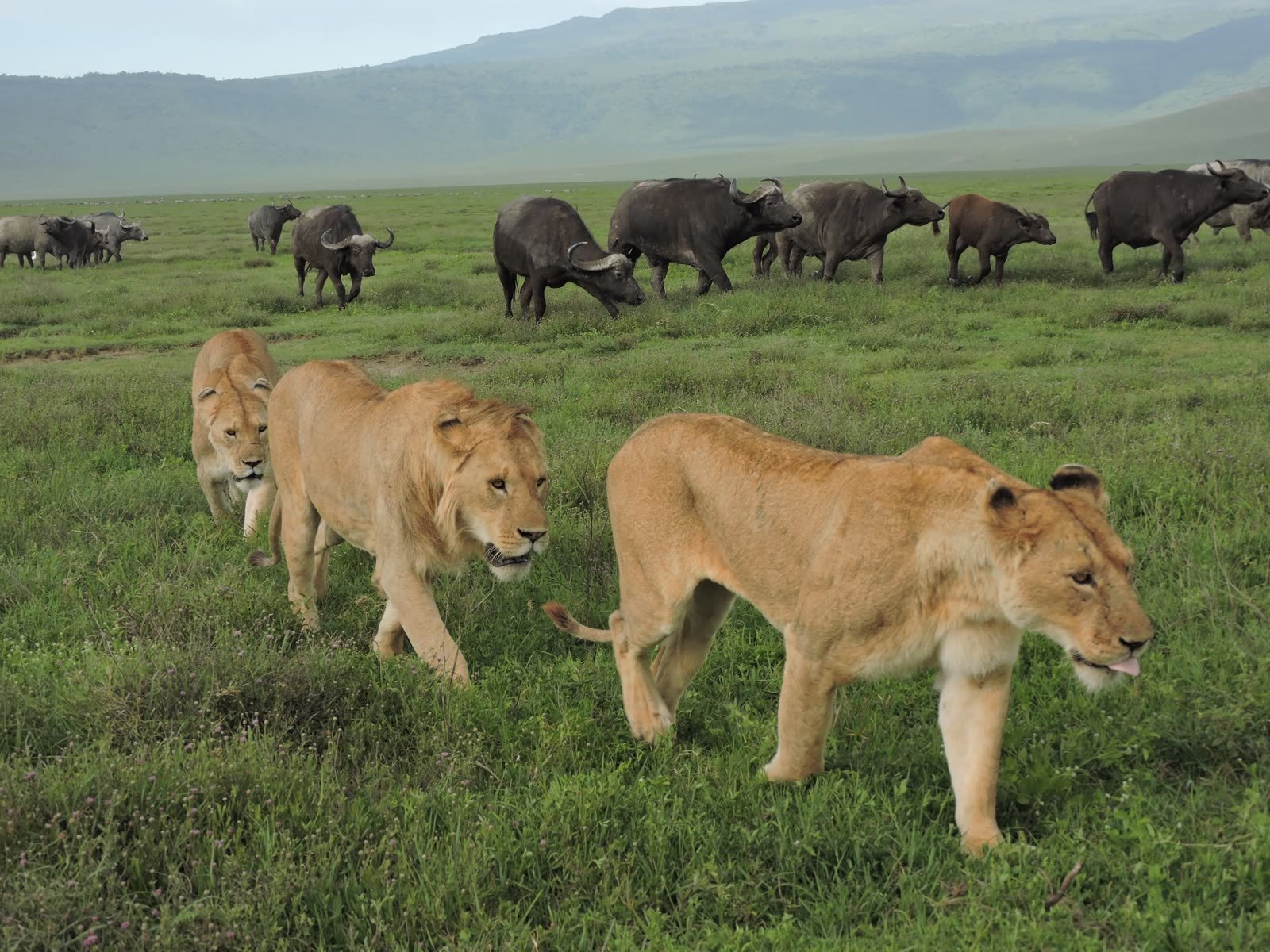
What lives here
Six habitats, one caldera.
01
Lerai forest.
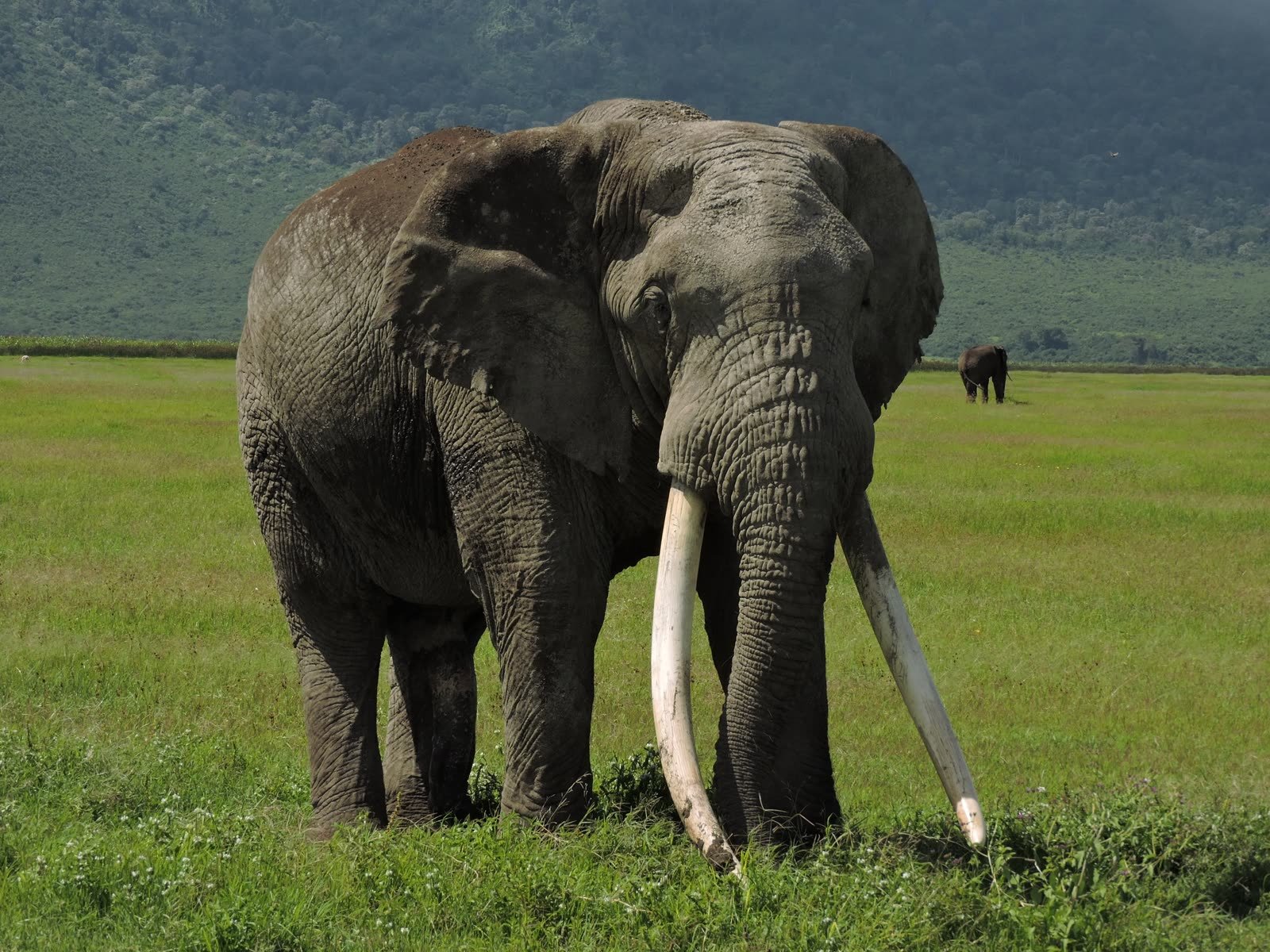
Yellow-barked acacias and giant tusker bull elephants on the southwest floor. The only place leopards live on the crater floor. Best at first light.
02
Gorigor swamp.
Southeast floor. Hippo pods, bull elephants cooling, and grass plains that hold the largest concentration of resident herbivores.
03
Mwandusi swamp.
Northwest floor. Fed by the Mwandusi river, holds hippos, buffalo, and the resident lion prides that use the reeds as cover.
04
Ngoitokitok Springs.
East floor picnic springs. Longer grass, buffalo herds, serval cats. The crater’s quietest quarter and the easiest place to find yourself alone.
05
Lake Magadi shore.
A pink alkaline lake in the centre, holding thousands of migratory flamingos. Full of water in the green season, a soda crust in the dry.
06
Short-grass plains.
The open floor between the habitats. Wildebeest, zebra, Thomson’s gazelle graze here in resident herds; the lions, cheetahs and hyenas hunt them.
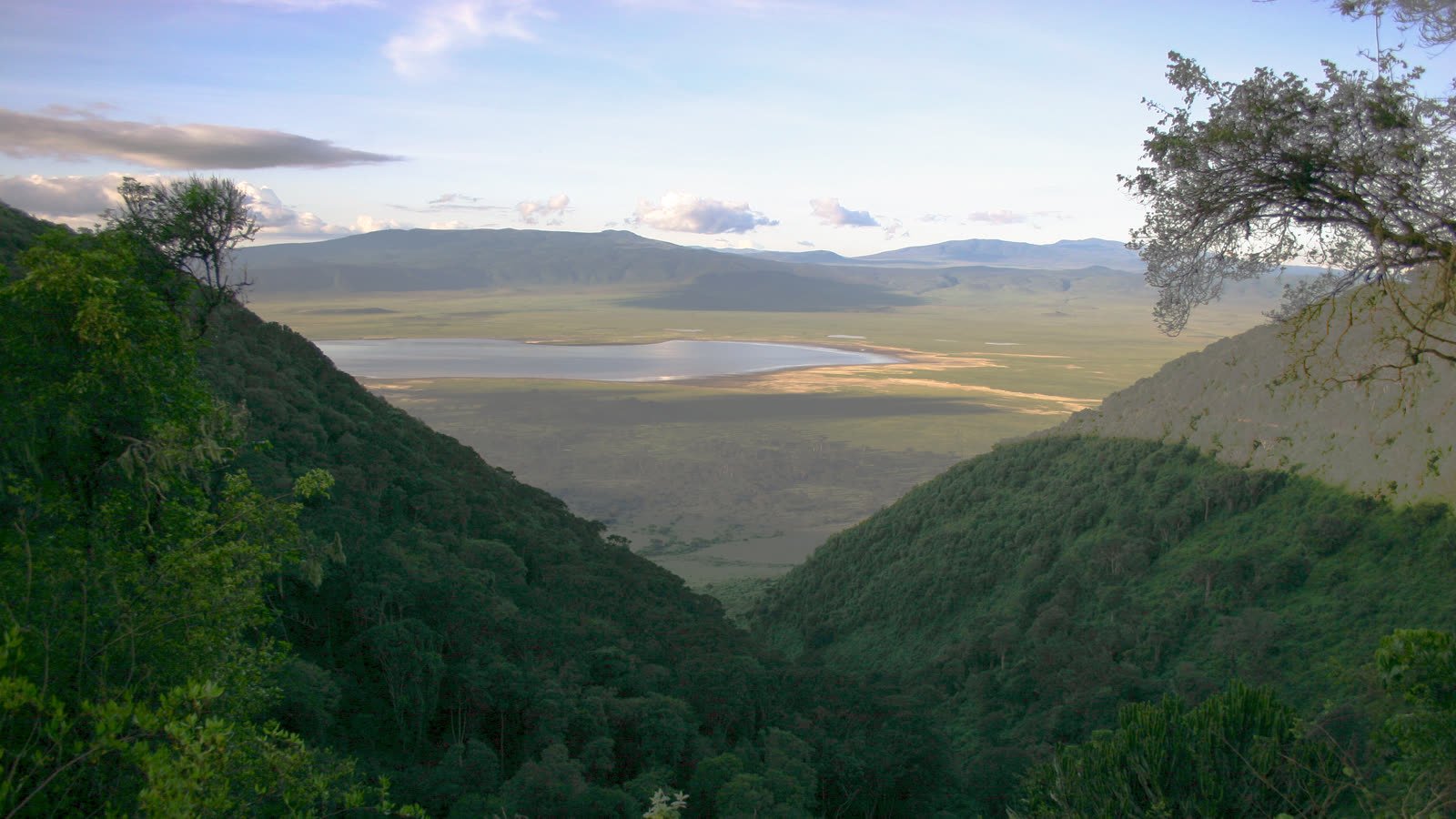
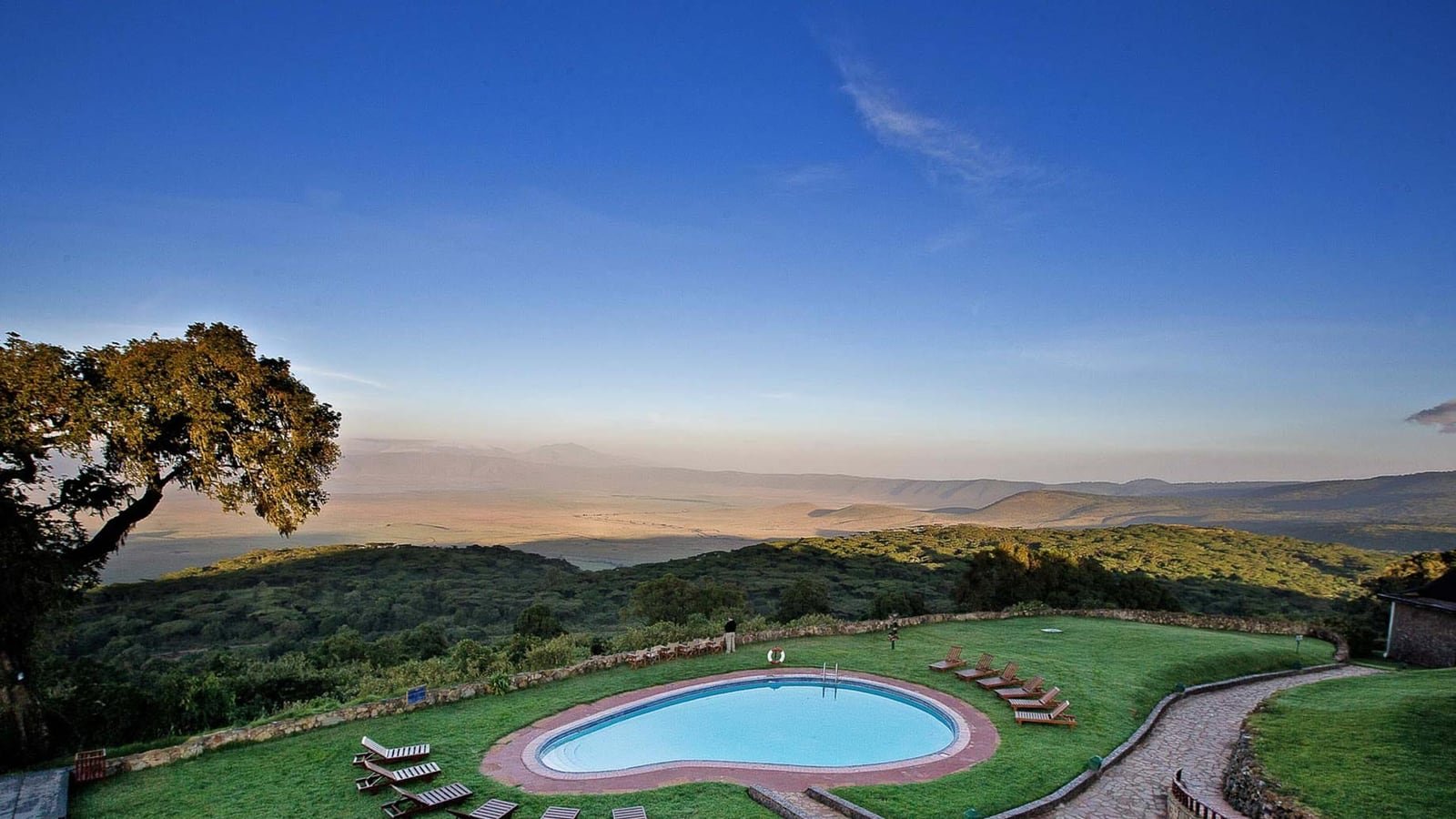
From the crater rim. Two thousand feet straight down to the floor. A six a.m. descent earns you the predators before the heat sets in.
In detail
Ngorongoro, in detail.
The Ngorongoro Conservation Area was established in 1978, and it is known as a biosphere reserve and a cultural heritage. Its mode of management is its own: a conservation practice of multiple land use, where the Maasai, a pastoralist people, live together harmoniously with the wildlife. It covers about 4,000 square miles, taking in several mountains such as Oldeani peak, Lemagrut and Lolmalasin, with Ol Doinyo Lengai, an active volcano, on its north-eastern border, as well as the Oldupai Gorge archaeological site, the Ndutu area, Matiti hill and its plains, and the famous crater itself, a natural wonder of the world.
The crater is an unbroken caldera that rises to about 7,500 feet above sea level on its rim, and covers an area of about 100 square miles, sustaining a population of over 20,000 animals at any time of the year. This magnificent geographical feature is the home of the big five, with about a hundred lions, numerous buffalo, and big-tusker elephants.
Lake Magadi, the alkaline soda lake on the floor, takes its name from the Maasai word for market, and it is a paradise for a variety of waterbirds, including flamingos in large numbers that come here to feed. The remaining area of the crater floor holds the Lerai forest, named for the dominant yellow-bark acacia, the fever tree, the swampy and marshy ground of Gorigor, Mwandusi and Ngoitokitok, and the open short-grass plains that cover the vastness of the area and support its large numbers of herbivores.
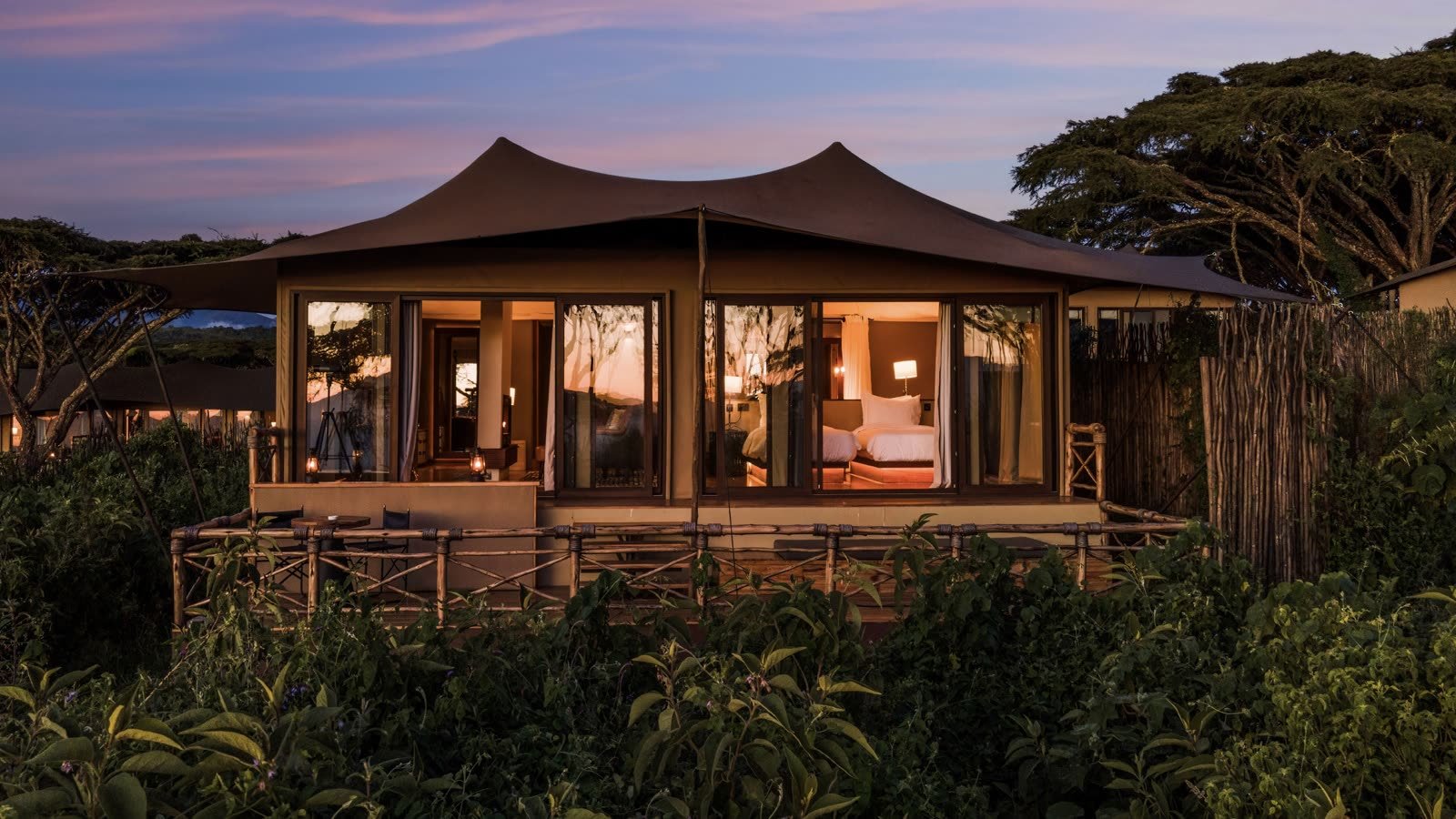
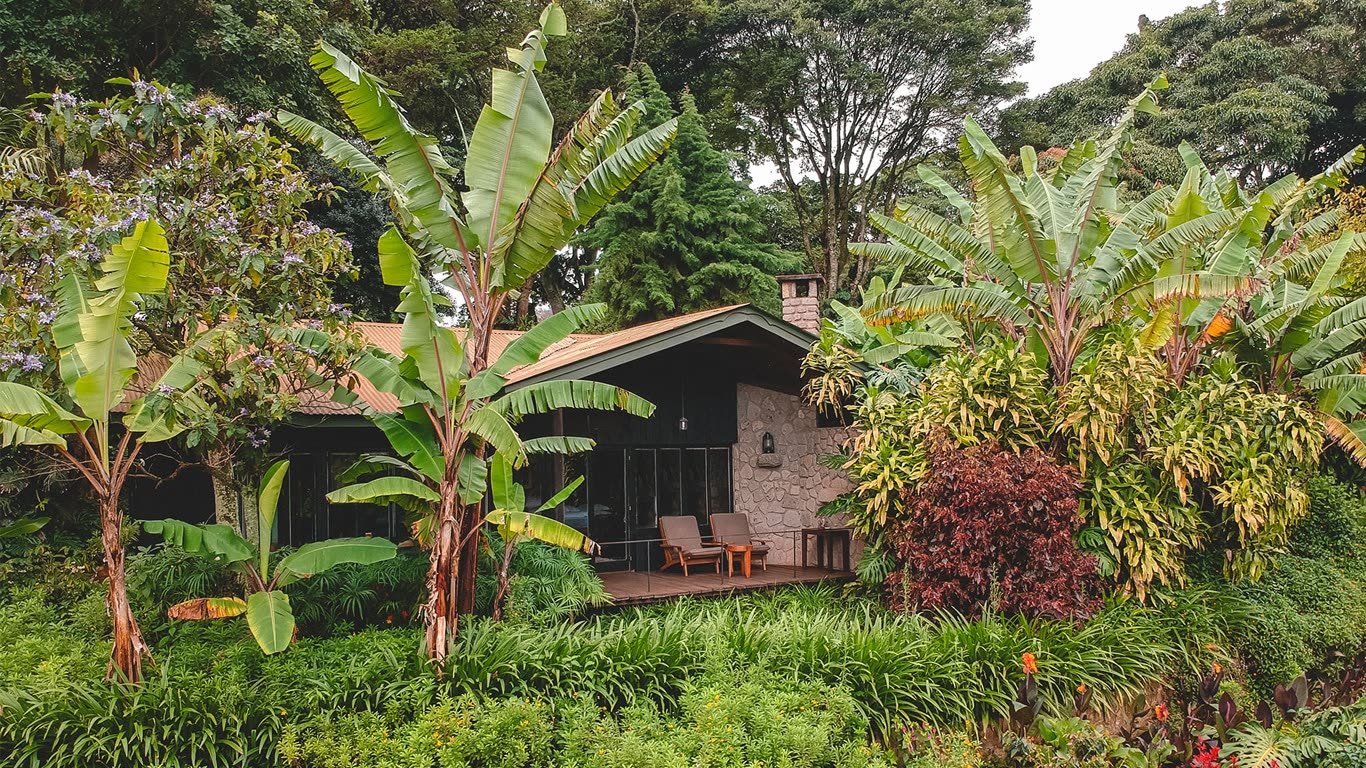
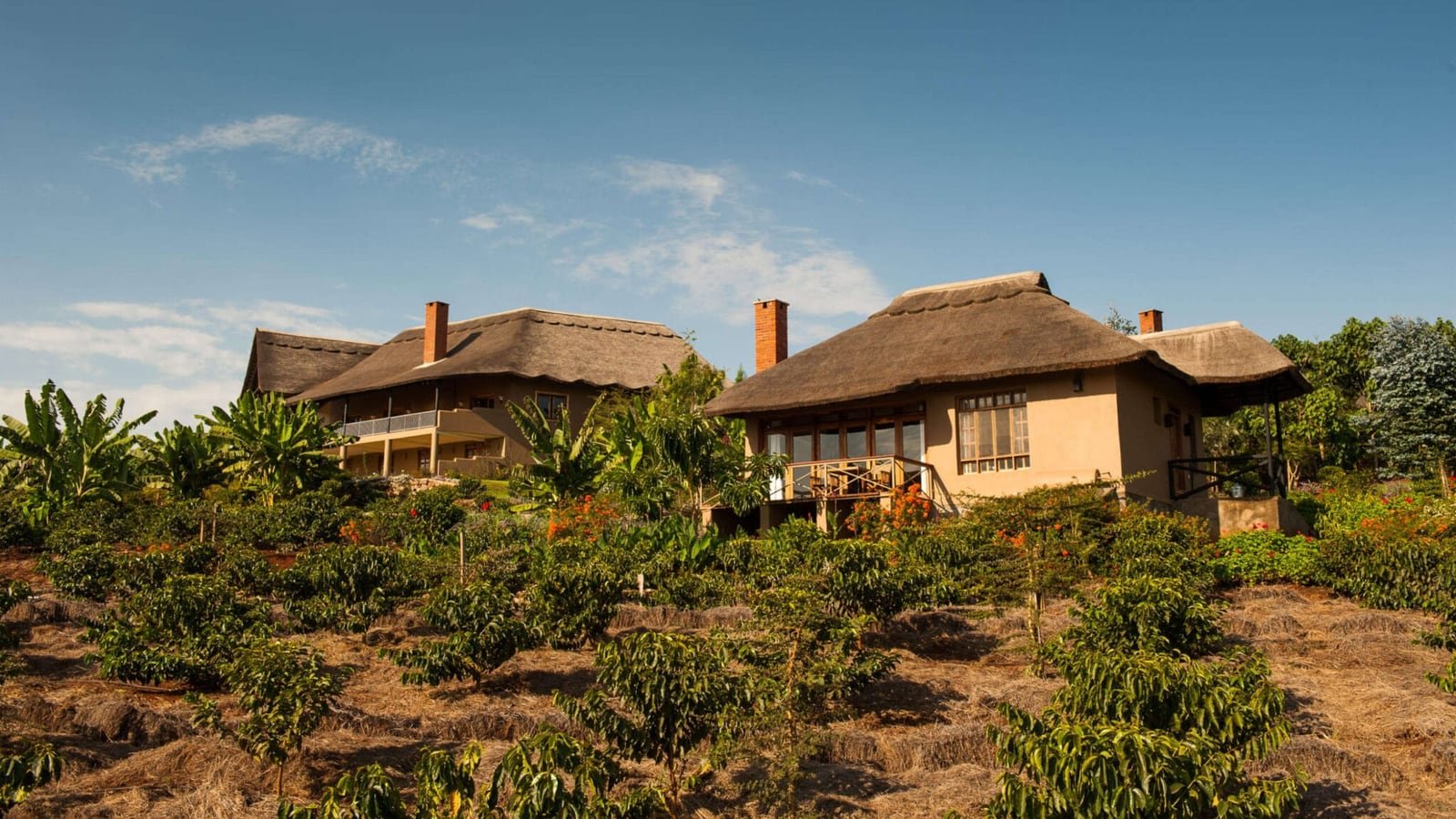
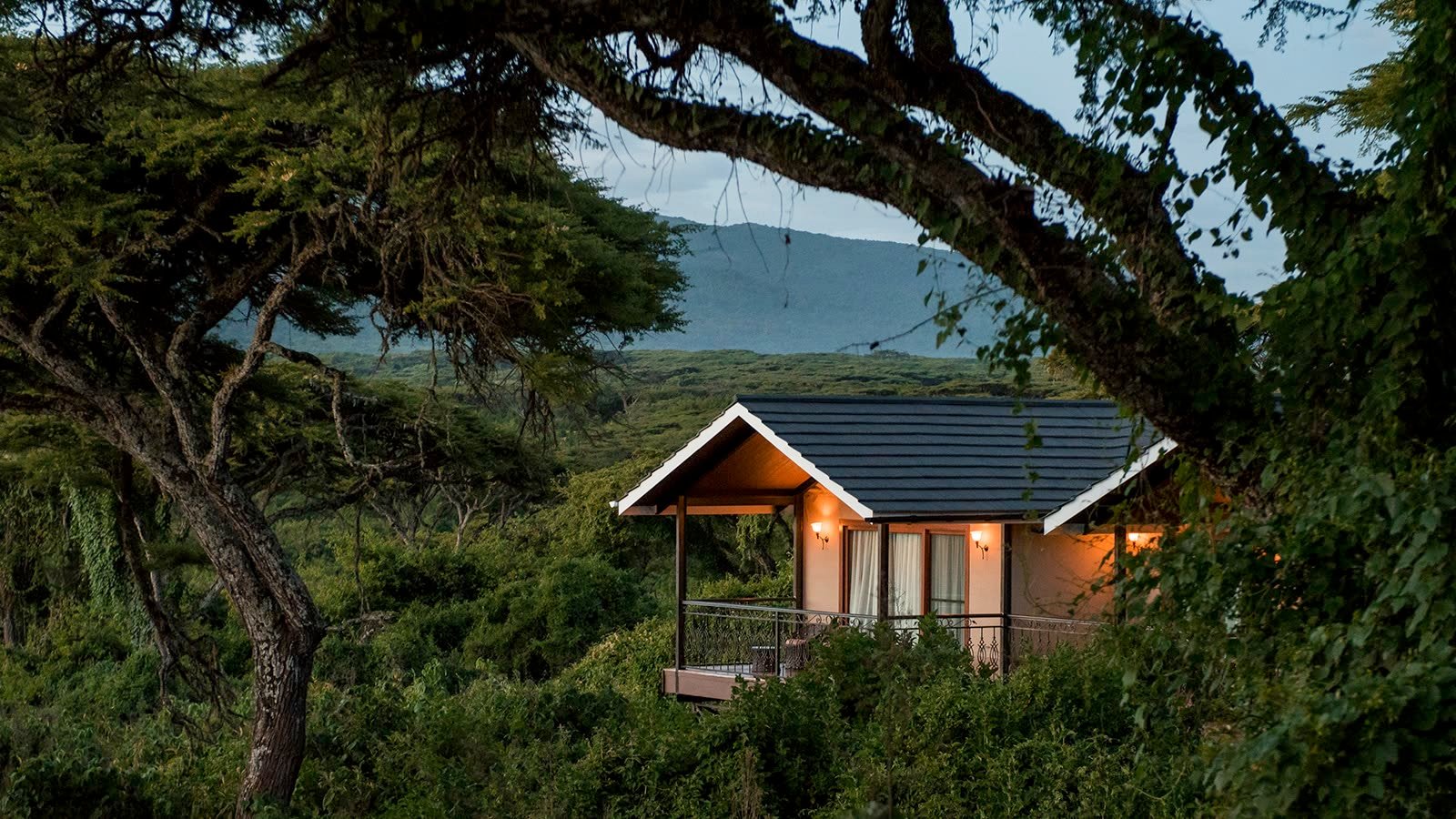
Where you can stay
The places worth staying around Ngorongoro.
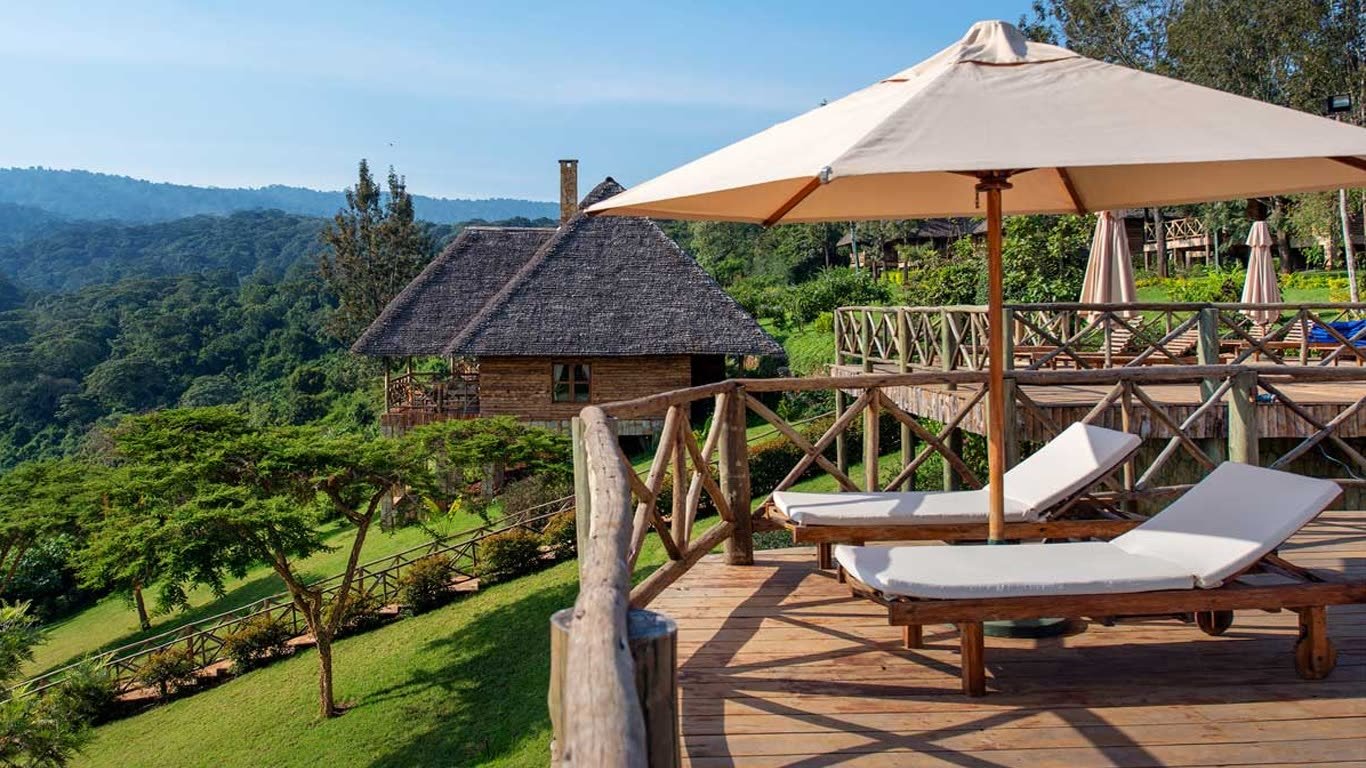
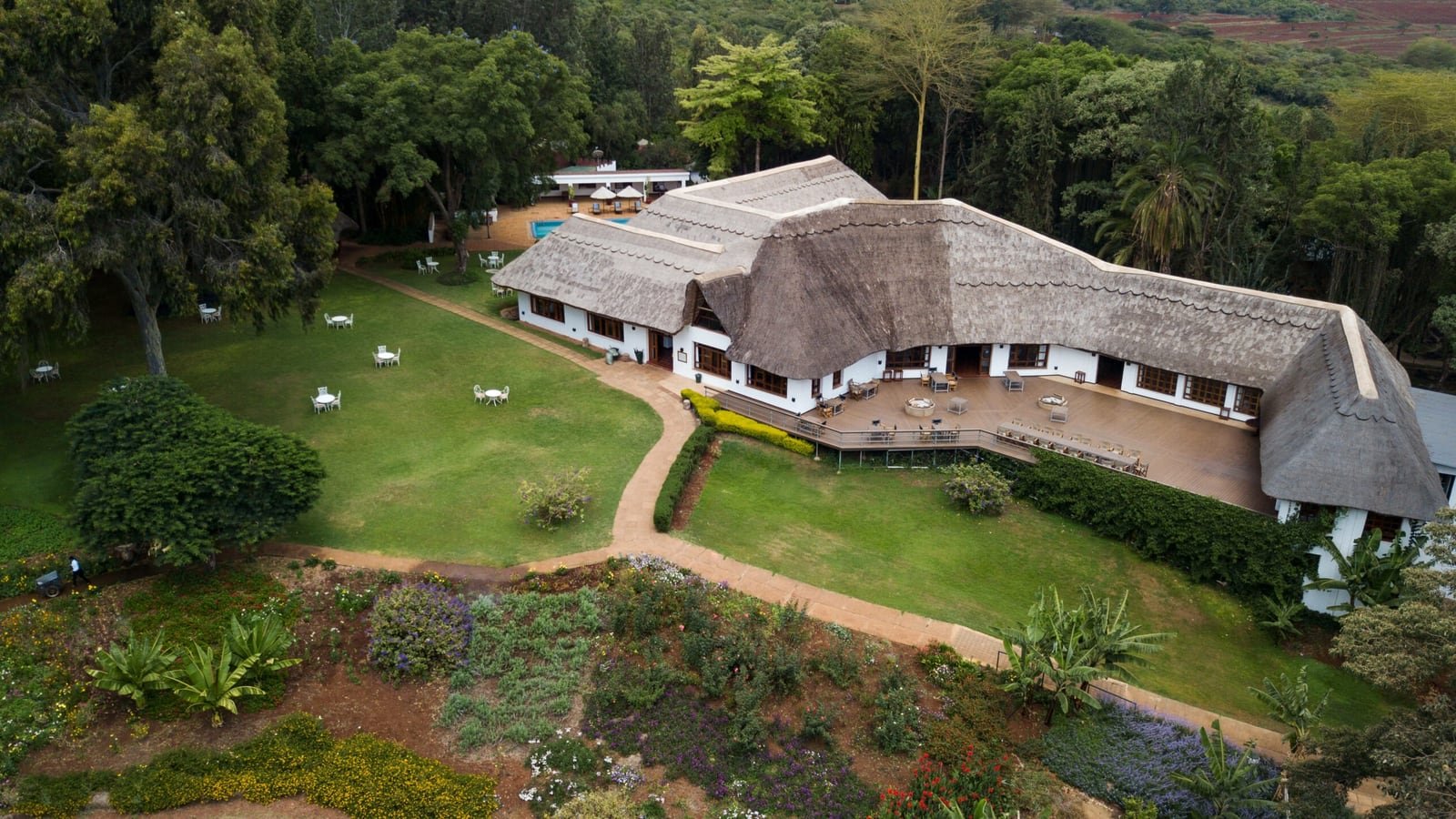
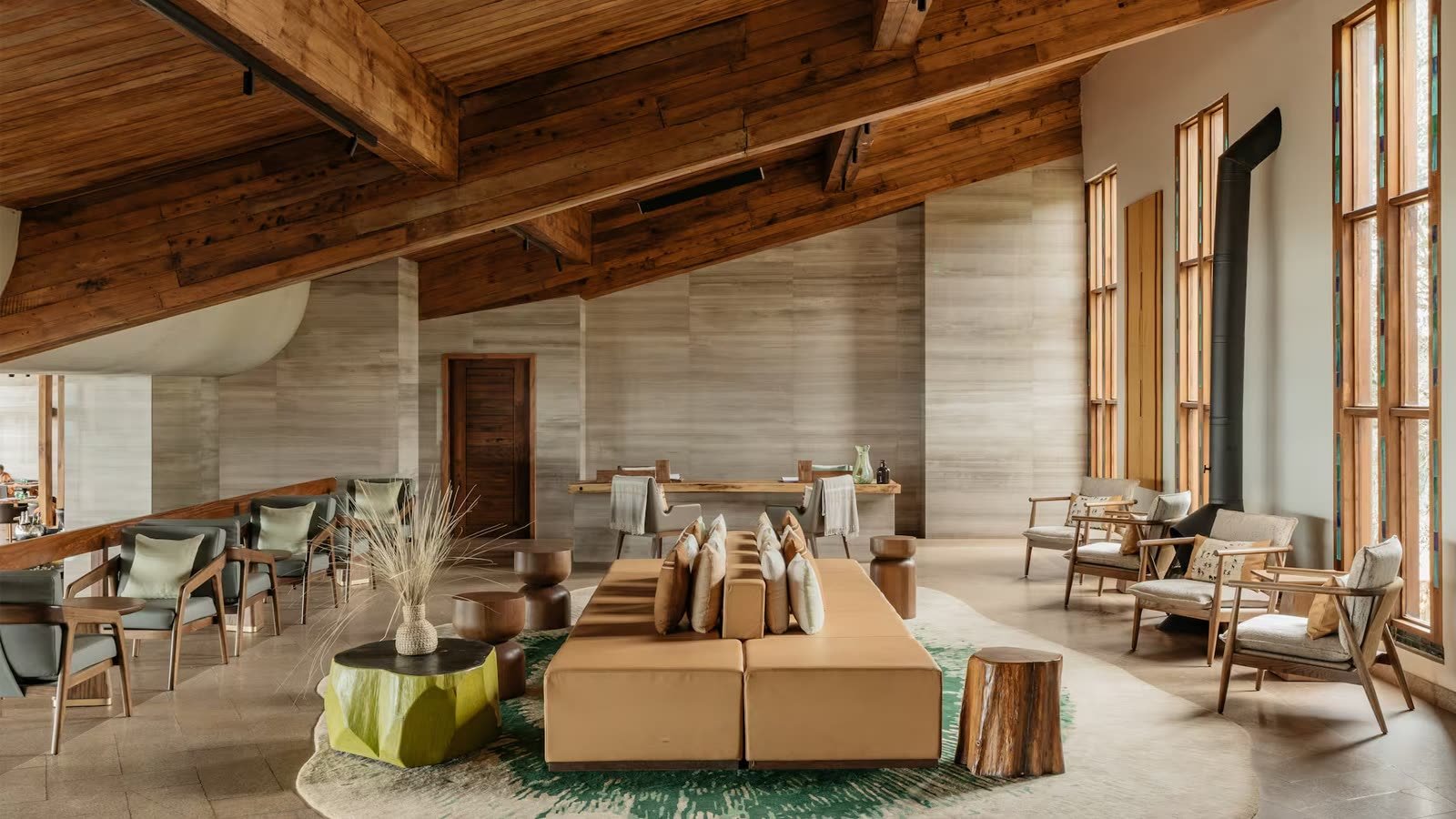
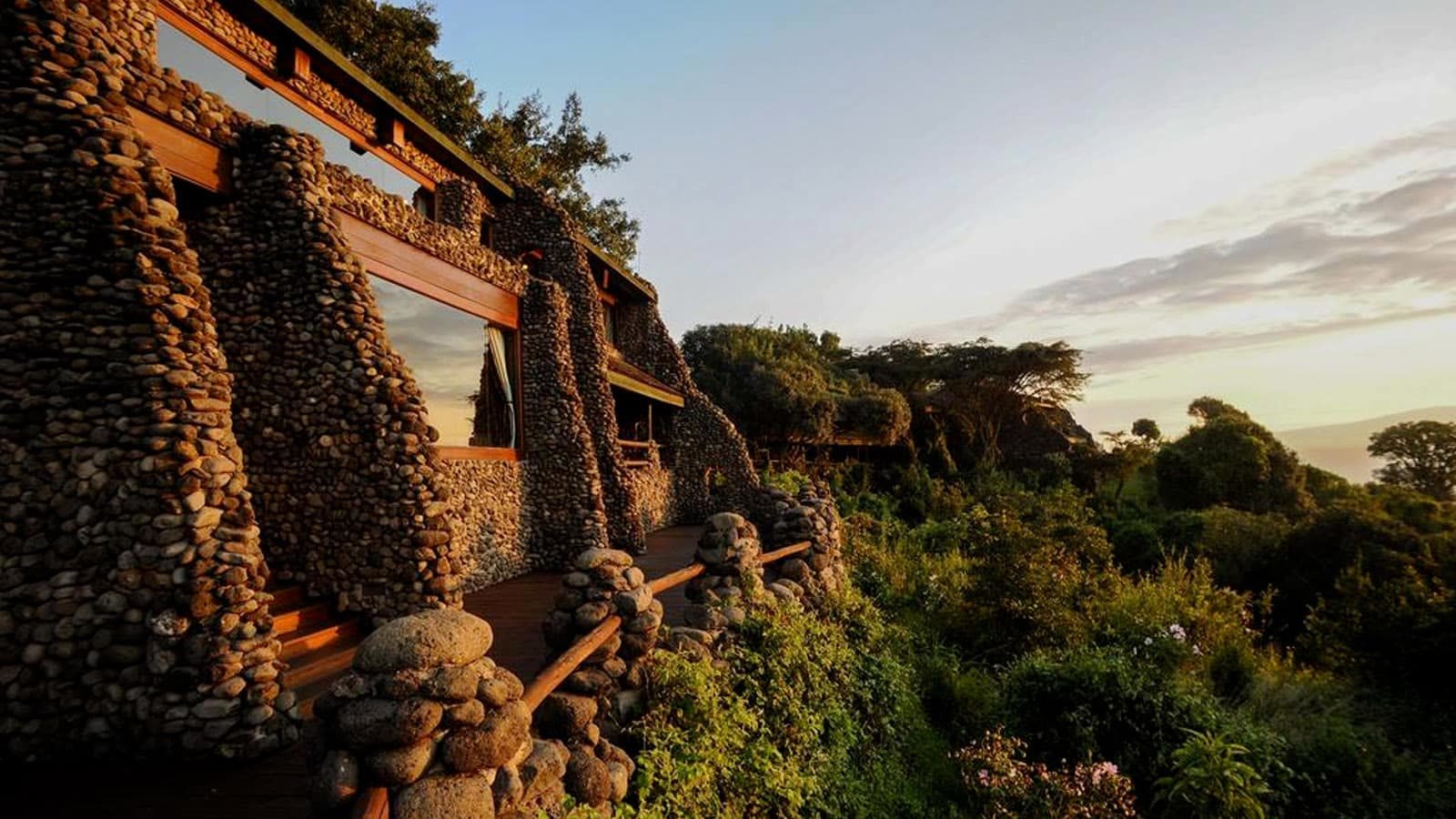
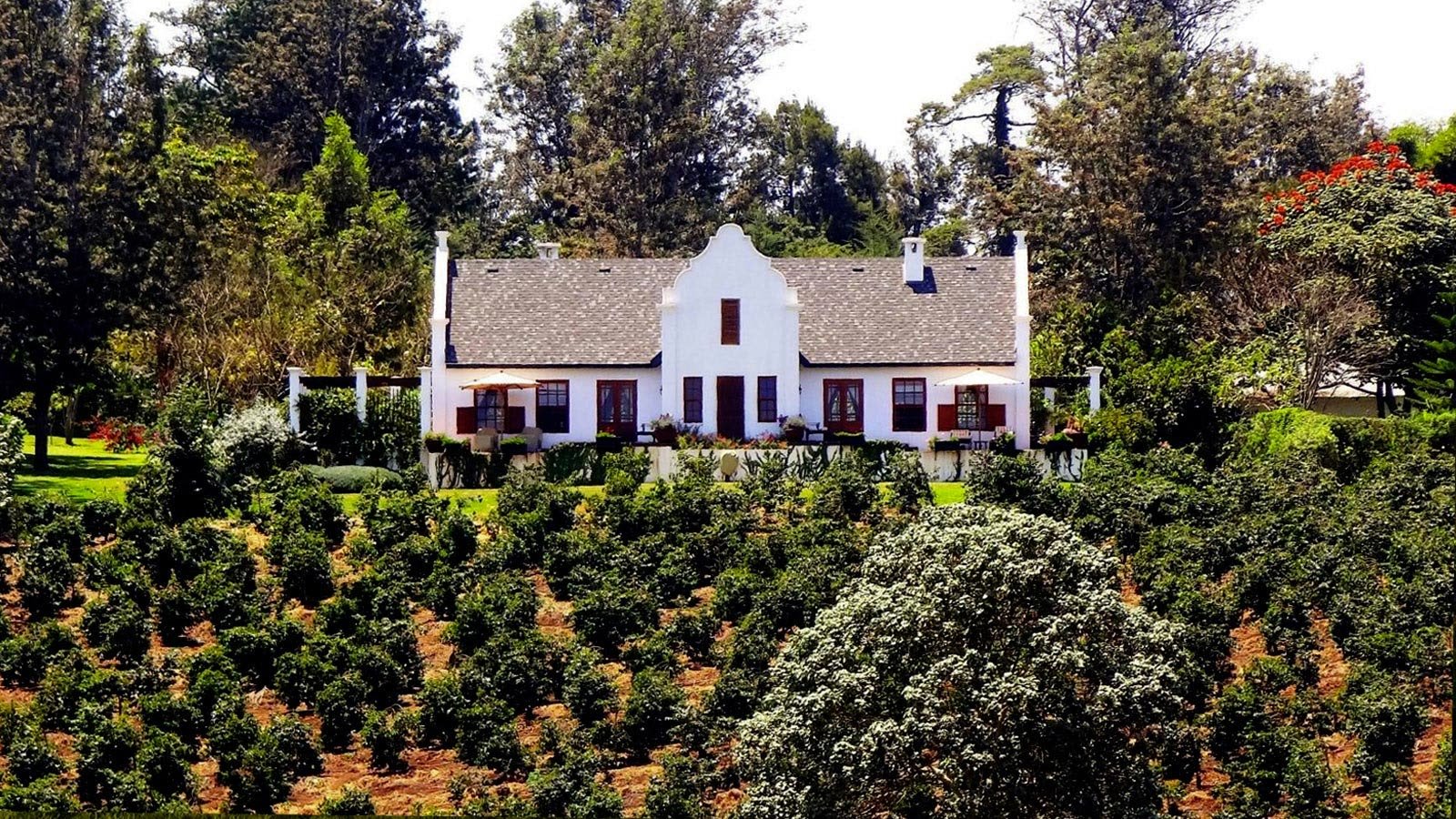
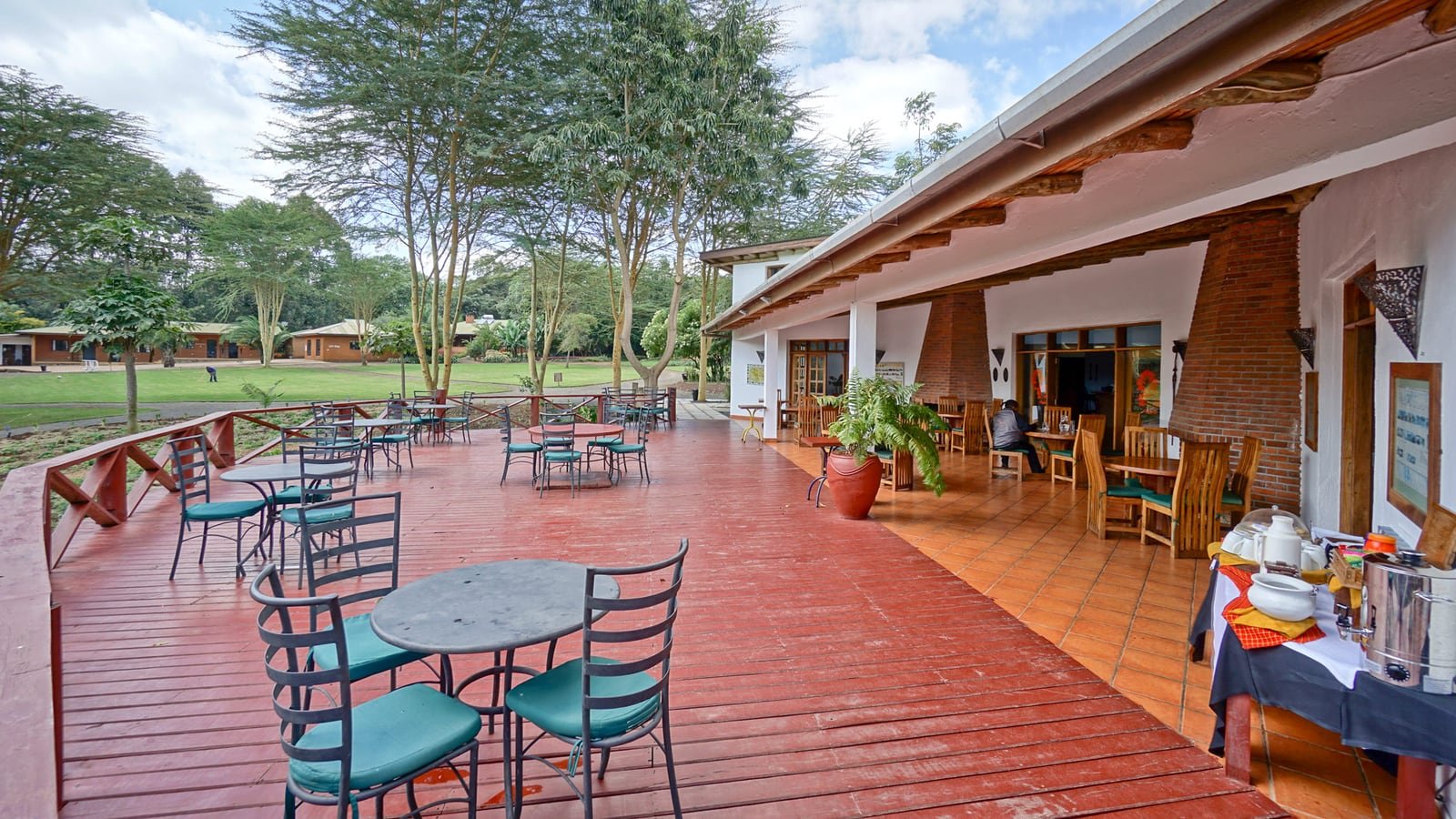
From lodges on the crater rim to quieter stays nearby, these are the places we would choose for the right trip.
Plan your Ngorongoro Conservation Area safari
Bring your Ngorongoro Conservation Area story to the team.
Direct line
Tanzania office
P.O. Box 746, Usa-River, Arusha
Two thousand feet down,
the crater keeps its own weather.