
The river that pulls the herds in.
Sixteen hundred square miles of baobab country in the dry season come alive with elephants in numbers you cannot quite believe until you have stood beside them.
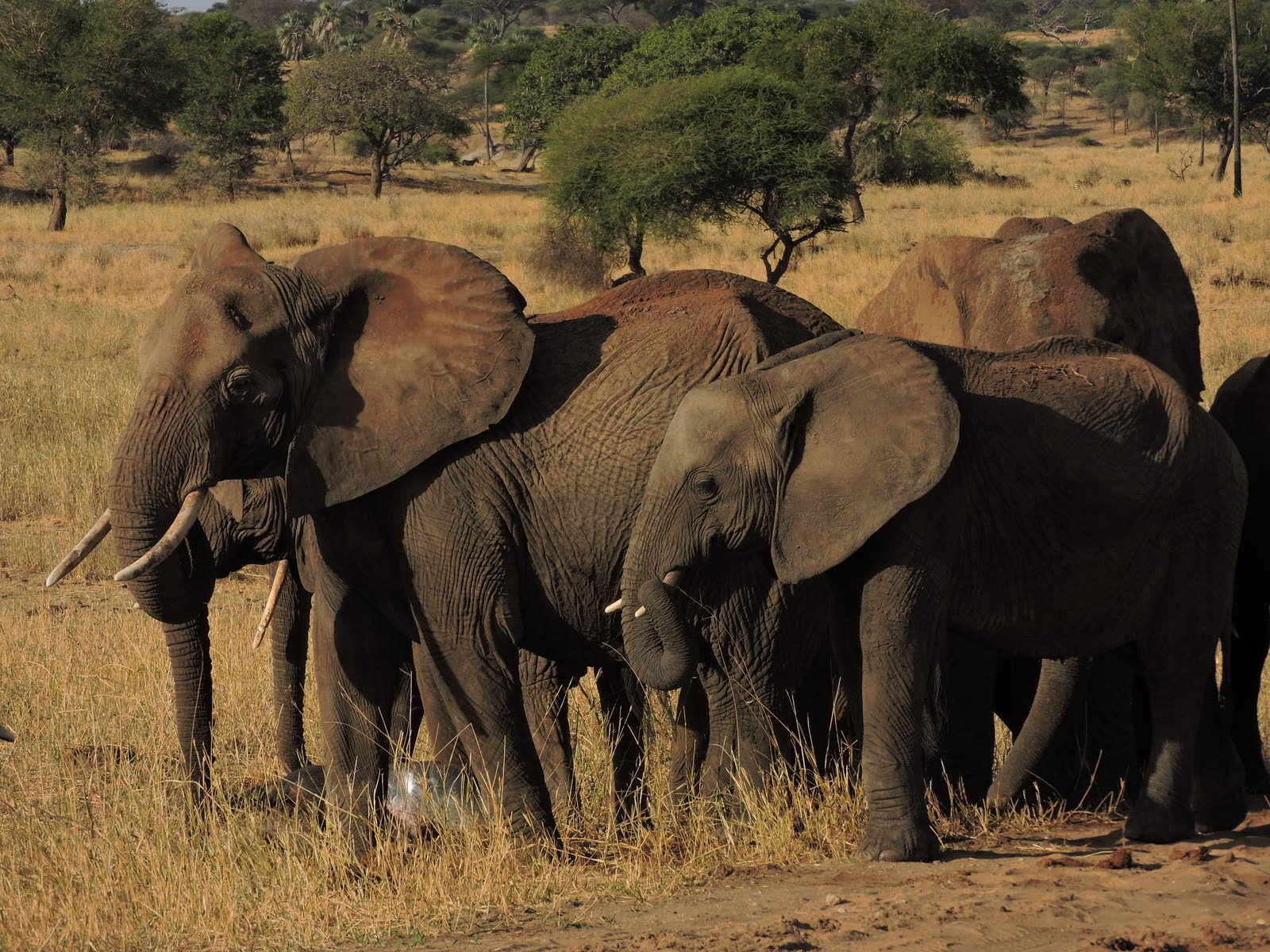
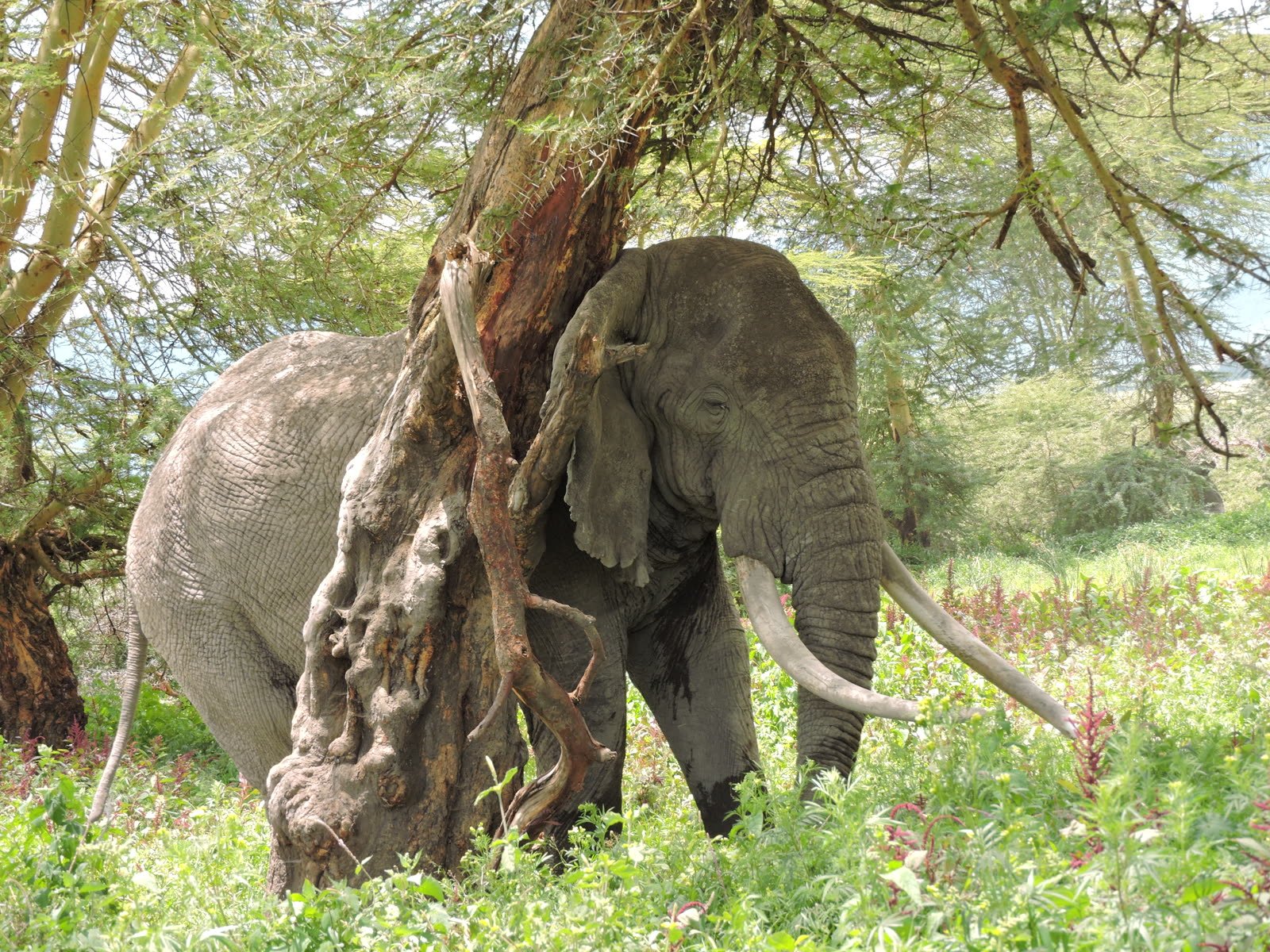
If you only know one thing about Tarangire it is the elephants. Three thousand of them at the last count, with a baby boom over the past two decades that has stocked the population with calves under ten. Tarangire’s reputation rests on the dry season, June through November, when the surrounding ecosystem parches and every elephant, buffalo, wildebeest and zebra in a thirteen-fold-bigger landscape funnels back into the park to drink from the river that gives it its name. The trade is straightforward: harder driving, more dust, and the most concentrated wildlife viewing in Tanzania.
What walks here
Two giants, three landscapes.
Spine
The Tarangire river.
The river that gave the park its name channels across the centre and acts as the animals’ refuge. It is the only permanent water in the region, so from June to December almost every large animal in the ecosystem comes here to drink.
North
Lemiyon and Metete.
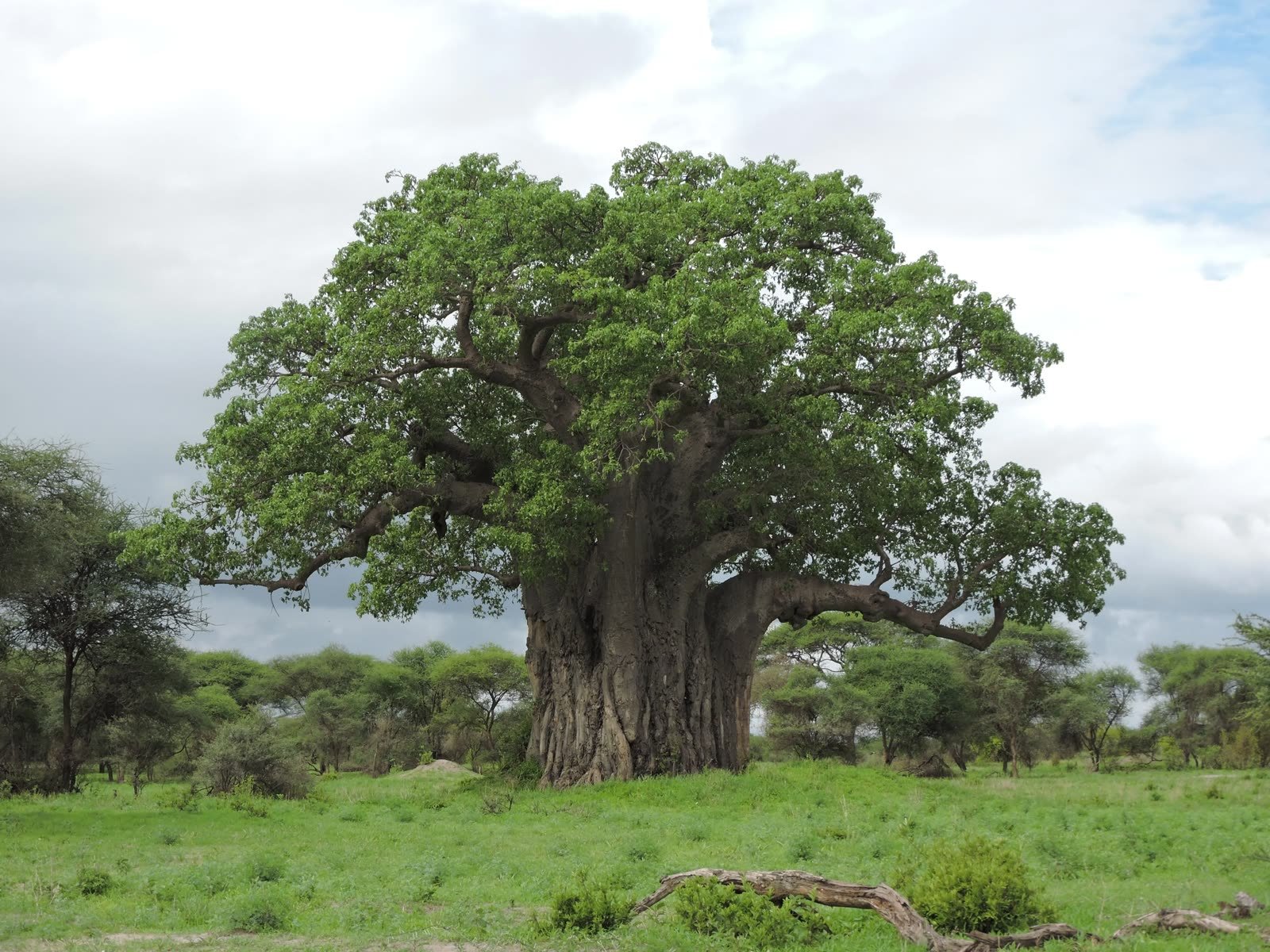
The open northern grasslands our guides call the Small Serengeti, studded with the ancient upside-down baobabs that gave Tarangire its postcard look. Hollow trunks, bees, baboons and leopards in the branches.
South-east
The Silale swamps.
The big swampy ground in the east and south of the park, acting as a sponge through the year and feeding the river. In the dry season it draws over five hundred elephants from different families at one time, with buffalo and lion holding the edges.
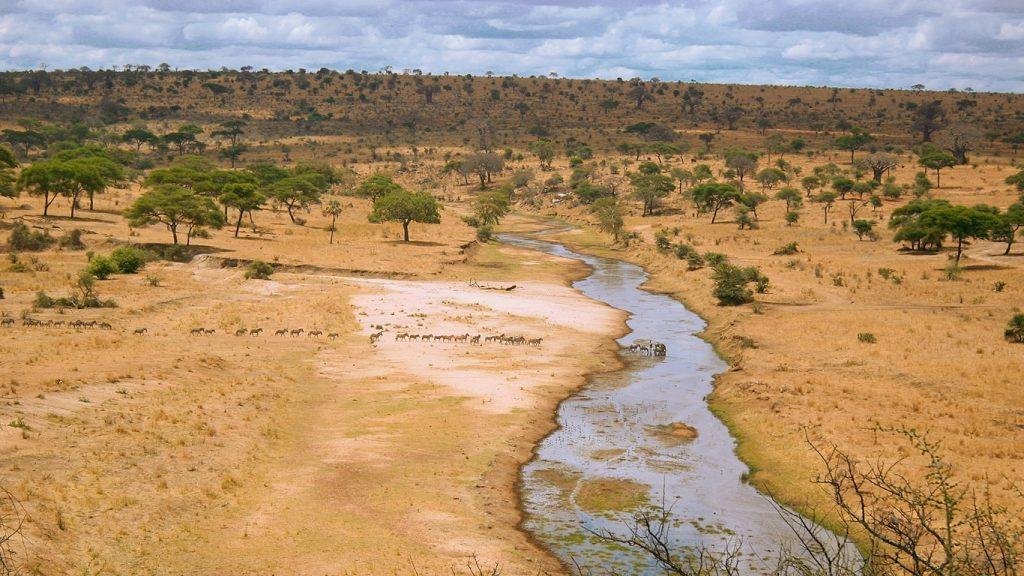
The Tarangire River in the dry season. As the plains dry out, the herds walk to the river in long lines, and the park fills with game until the rains return.
In detail
Tarangire, in detail.
Tarangire National Park covers about 1,600 square miles and is considered among the top five national parks in Tanzania for wildlife viewing. We name it the park of two giants: the big numbers and high density of elephants, and the baobab trees, the Disney-world trees that hold their water through the driest months. The Tarangire River, from which the park takes its name, channels across the centre of the park and acts as the animals’ refuge, attracting most of the wildlife in the dry season, which starts in June and runs to December.
The big swampy areas, including the Silale swamp in the east and south of the park, draw over five hundred elephants from different families at one time in the dry season.
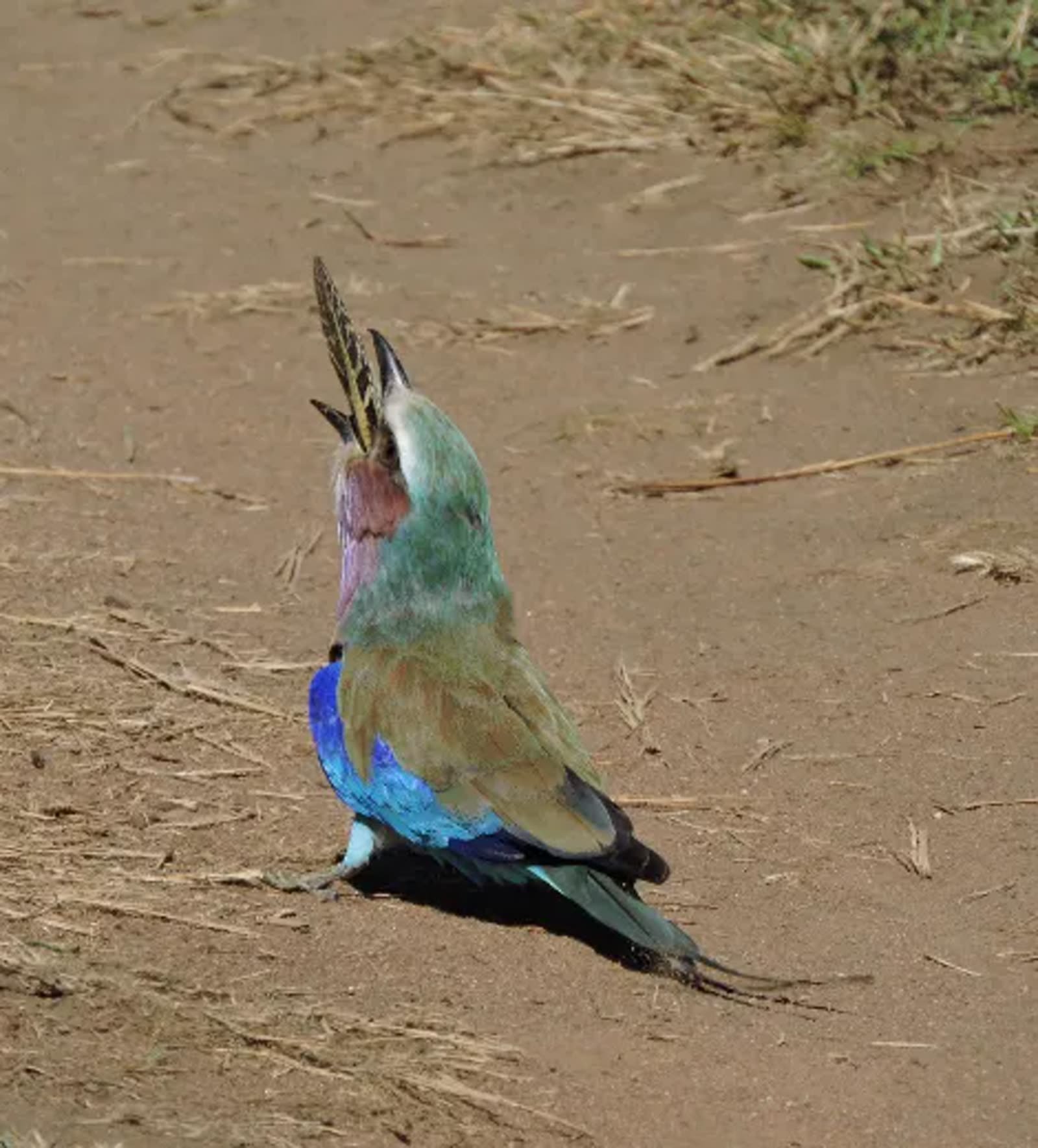
This park is home to most of the herbivores: buffalo, wildebeest, zebra, impala, gazelle, greater and lesser kudu, oryx, topi and hartebeest, along with primates such as baboon and vervet monkey. The carnivores include lion, cheetah, leopard and the rare wild dog. And for birdwatchers, this is their paradise.
Where you can stay
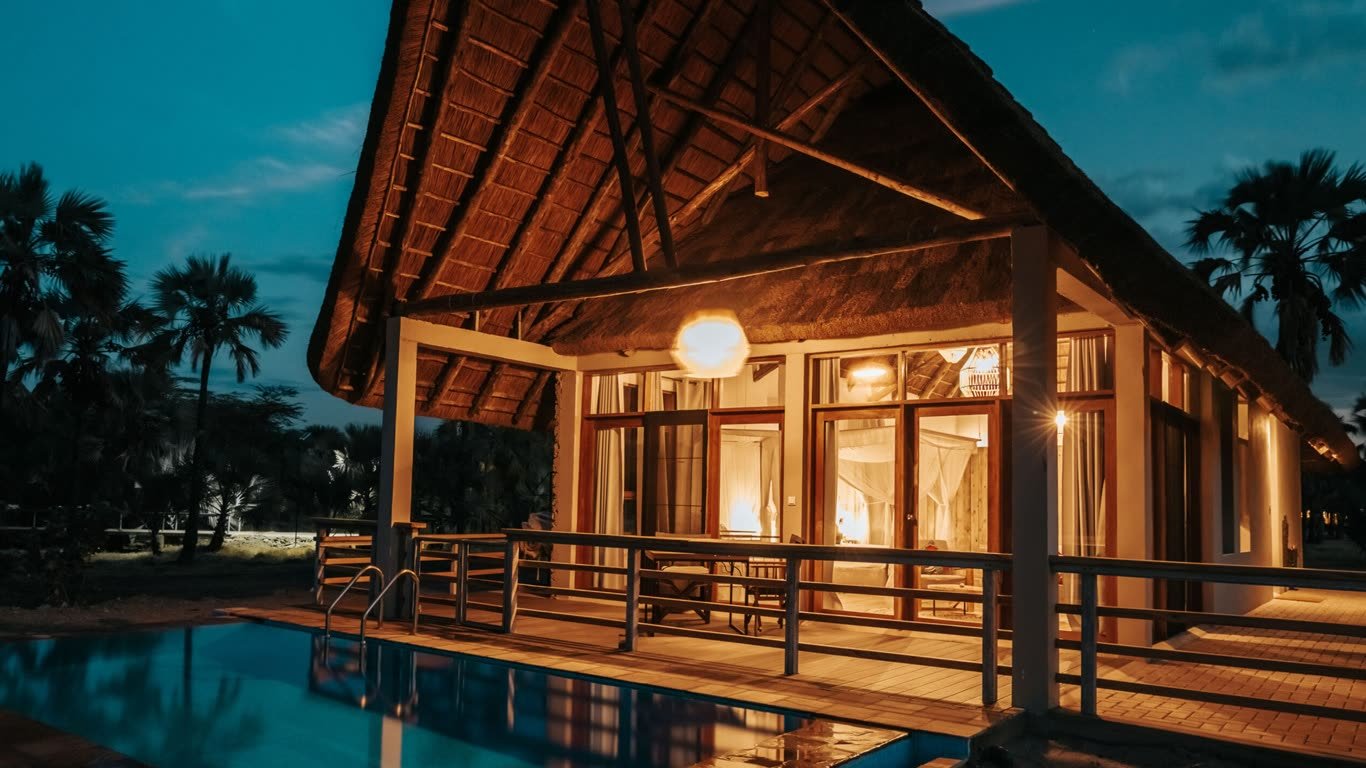
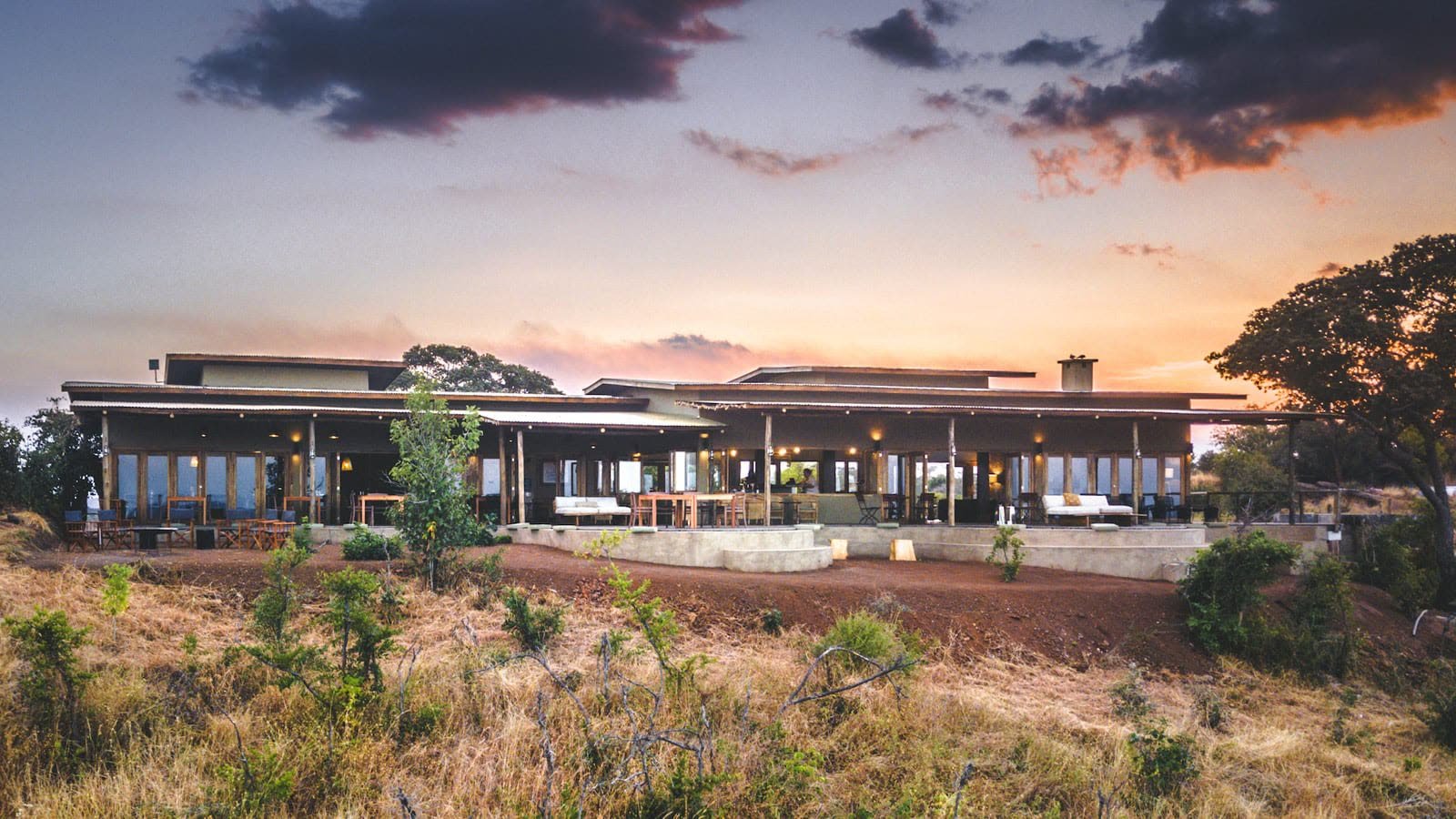
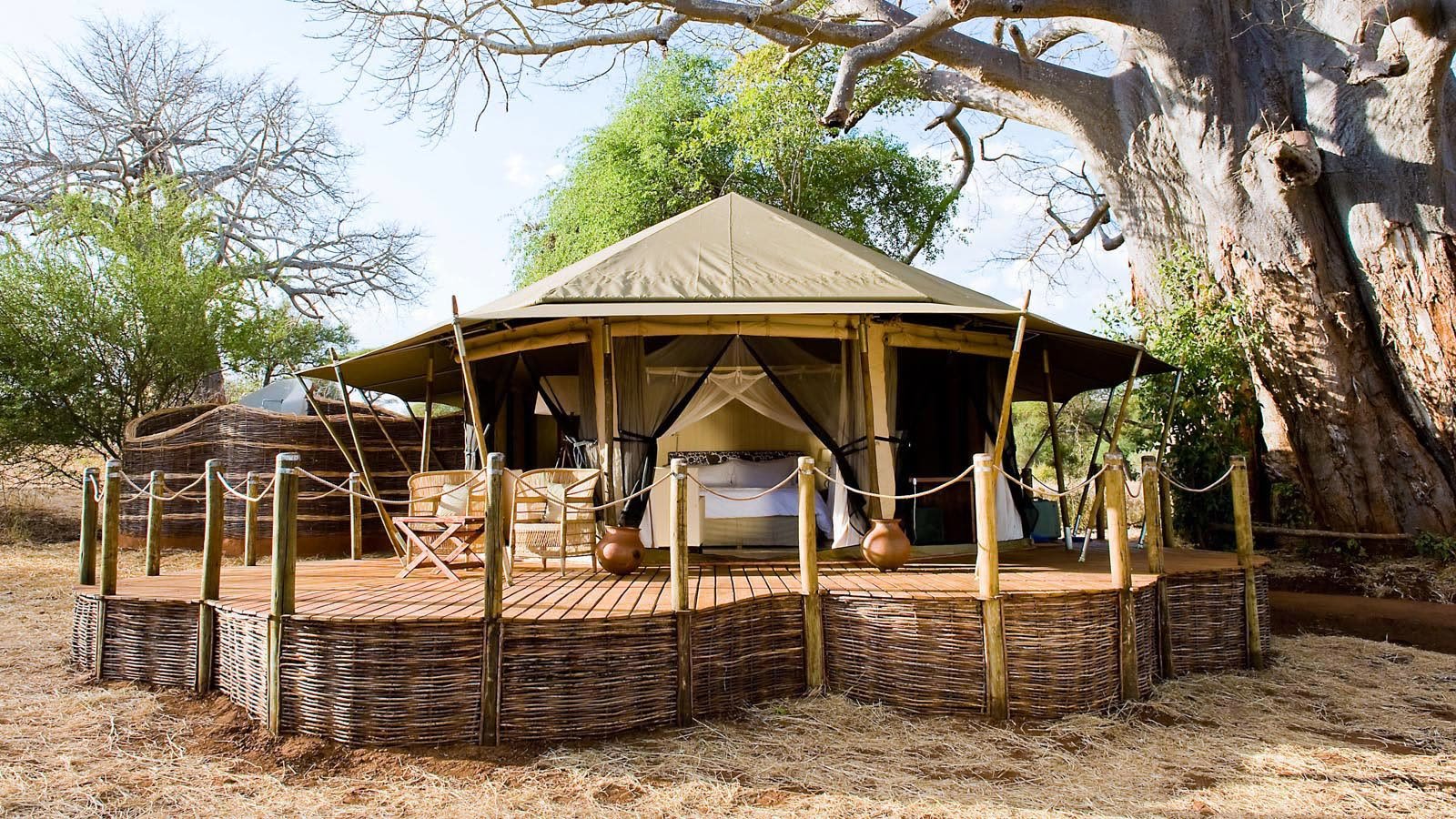
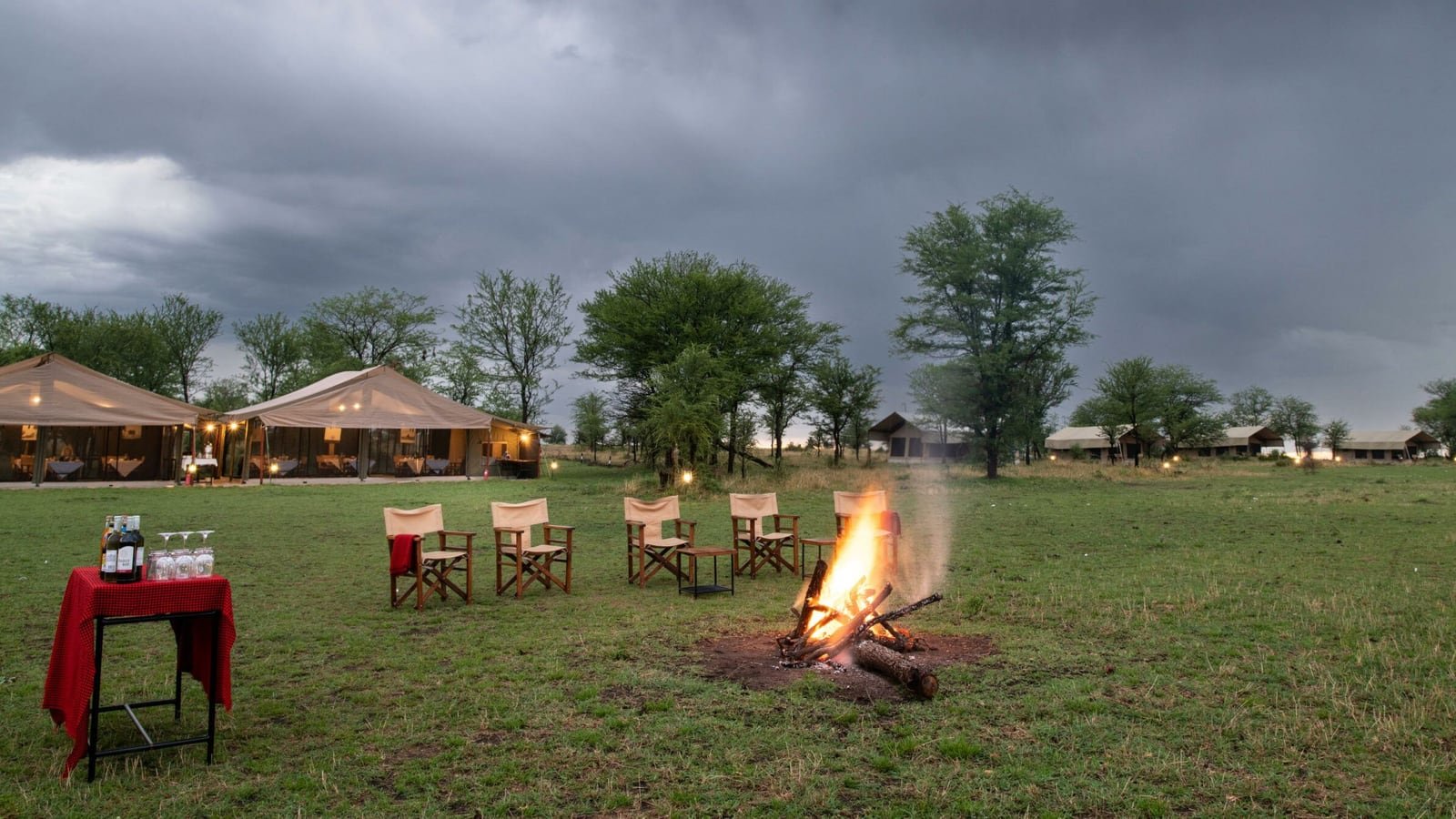
The Tarangire stays worth knowing.
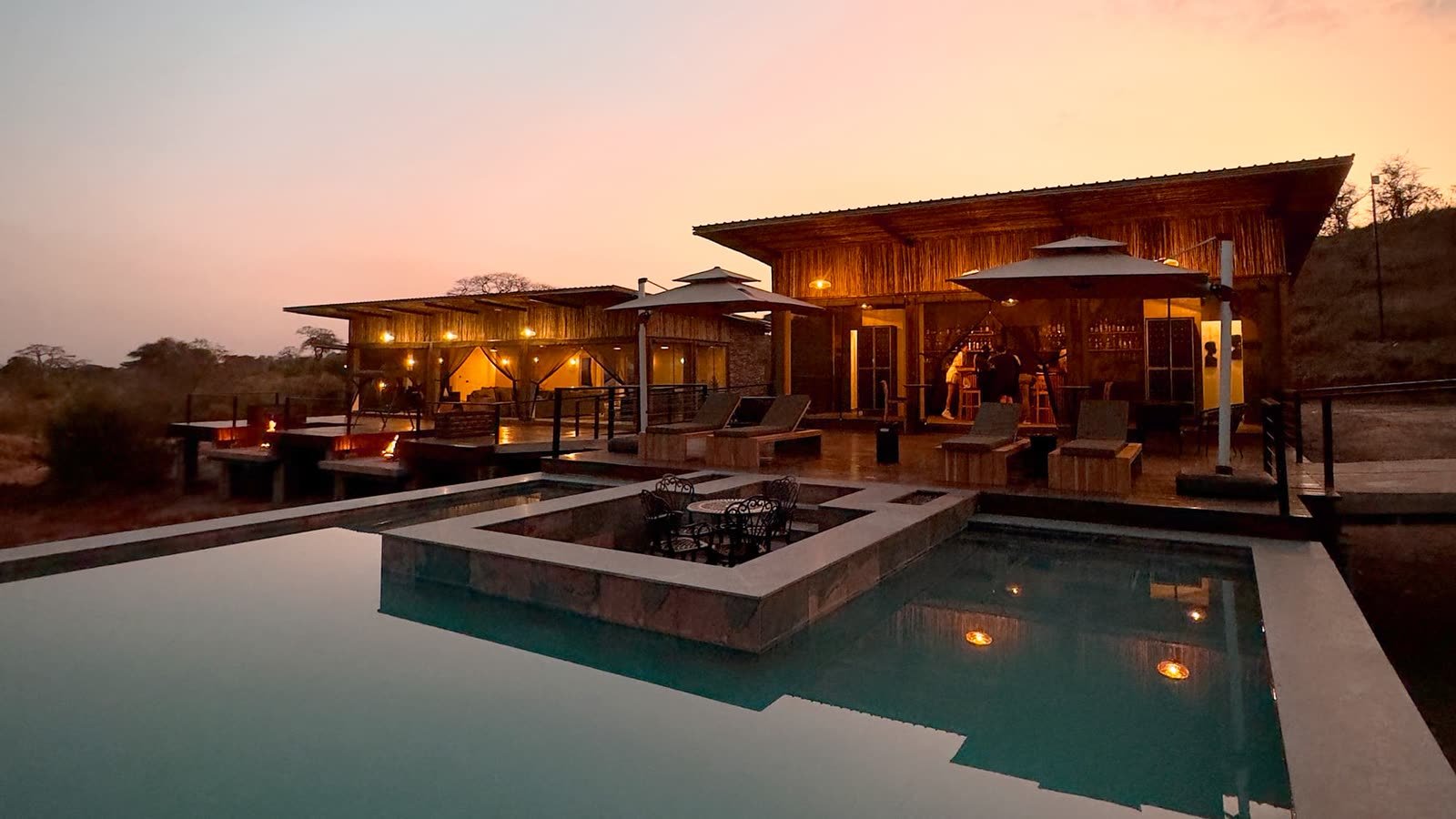
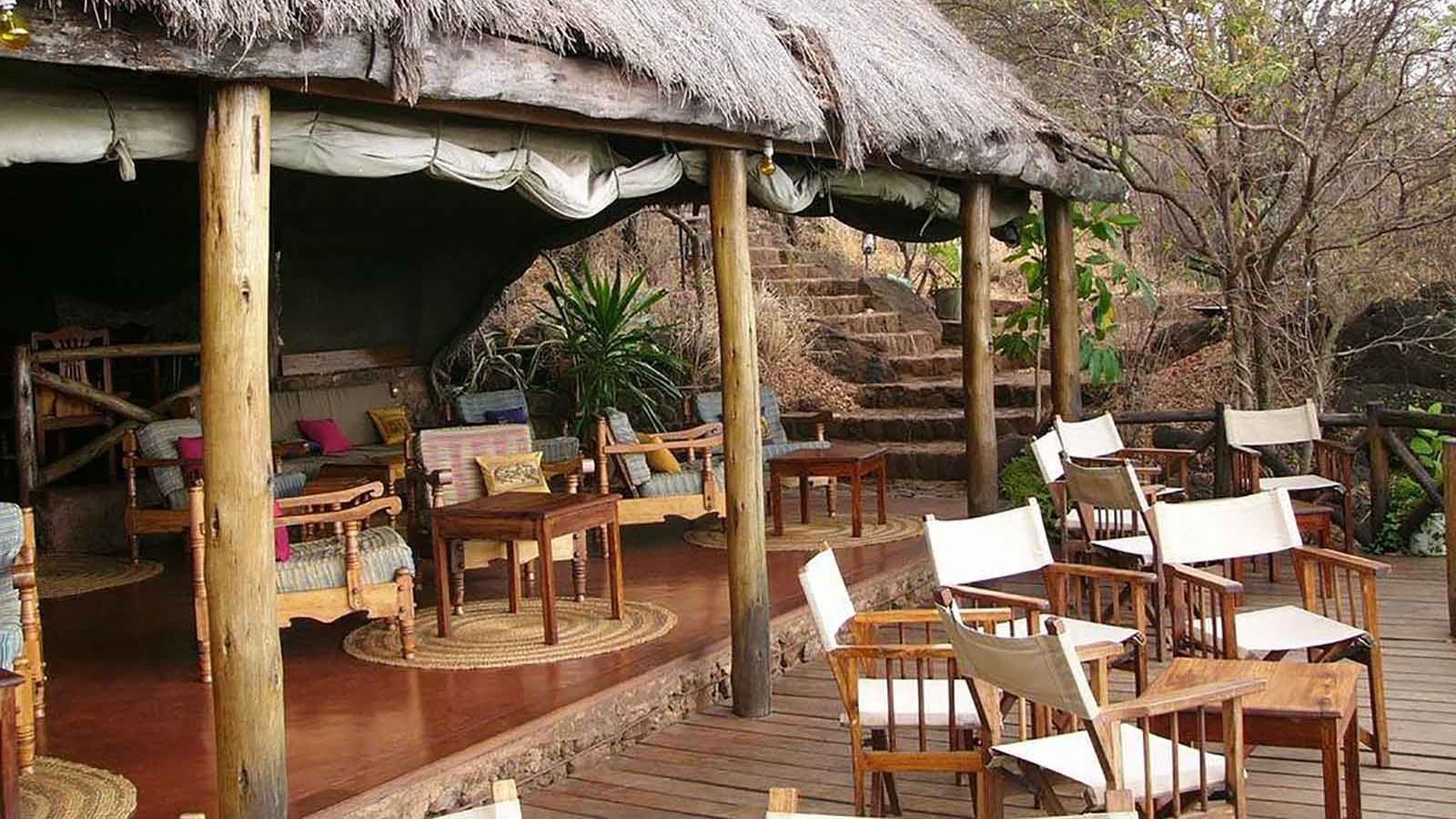
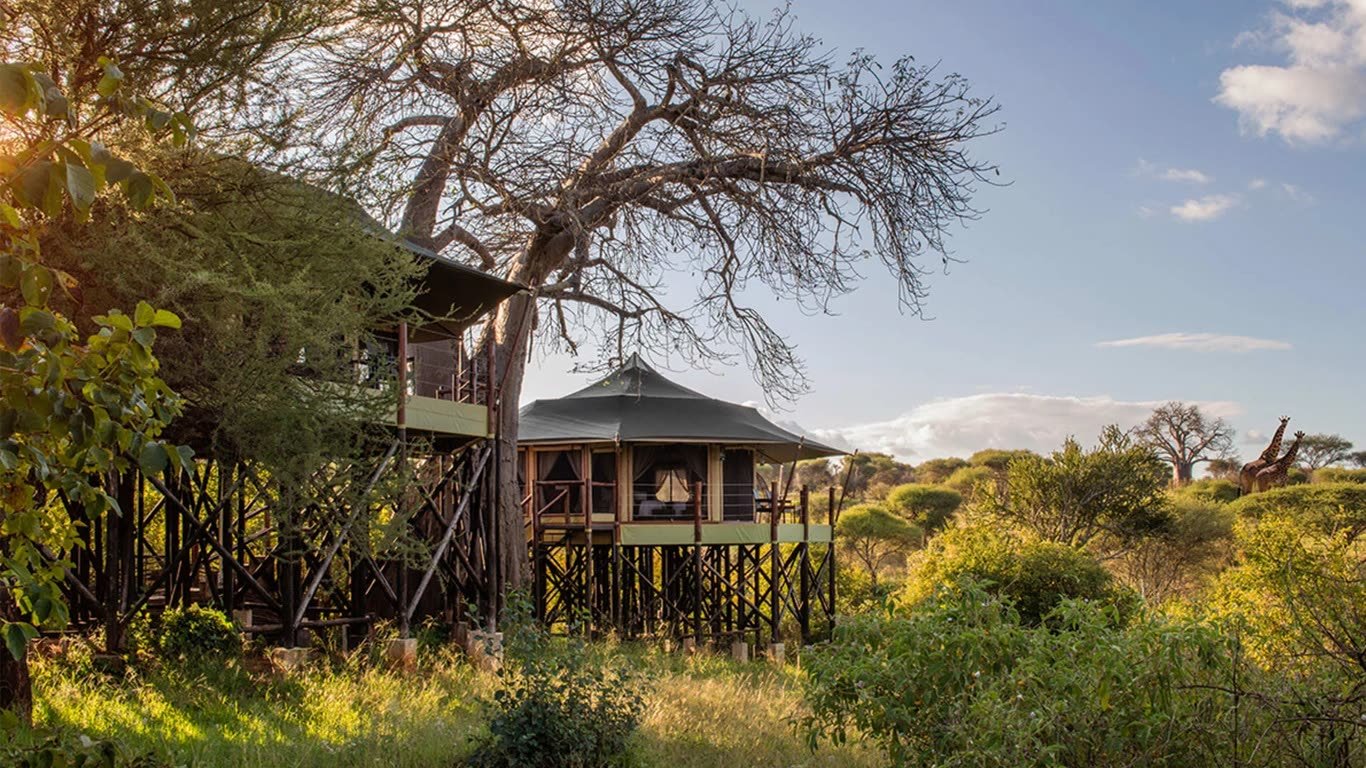
From lodges near the park to camps further out, these are places we would consider for a Tarangire safari.

Plan your Tarangire National Park safari
Bring your Tarangire National Park story to the team.
Direct line
Tanzania office
P.O. Box 746, Usa-River, Arusha
The river decides who stays.
By September, everyone stays.