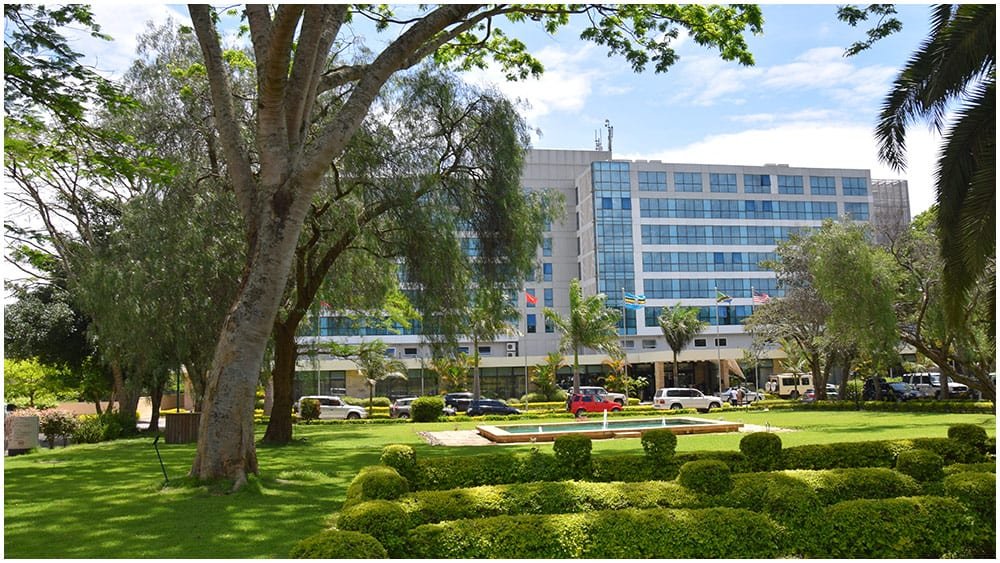
Headquarters of the East African Community, former seat of the Rwanda genocide tribunal, and the gateway to every park on the Northern Circuit.
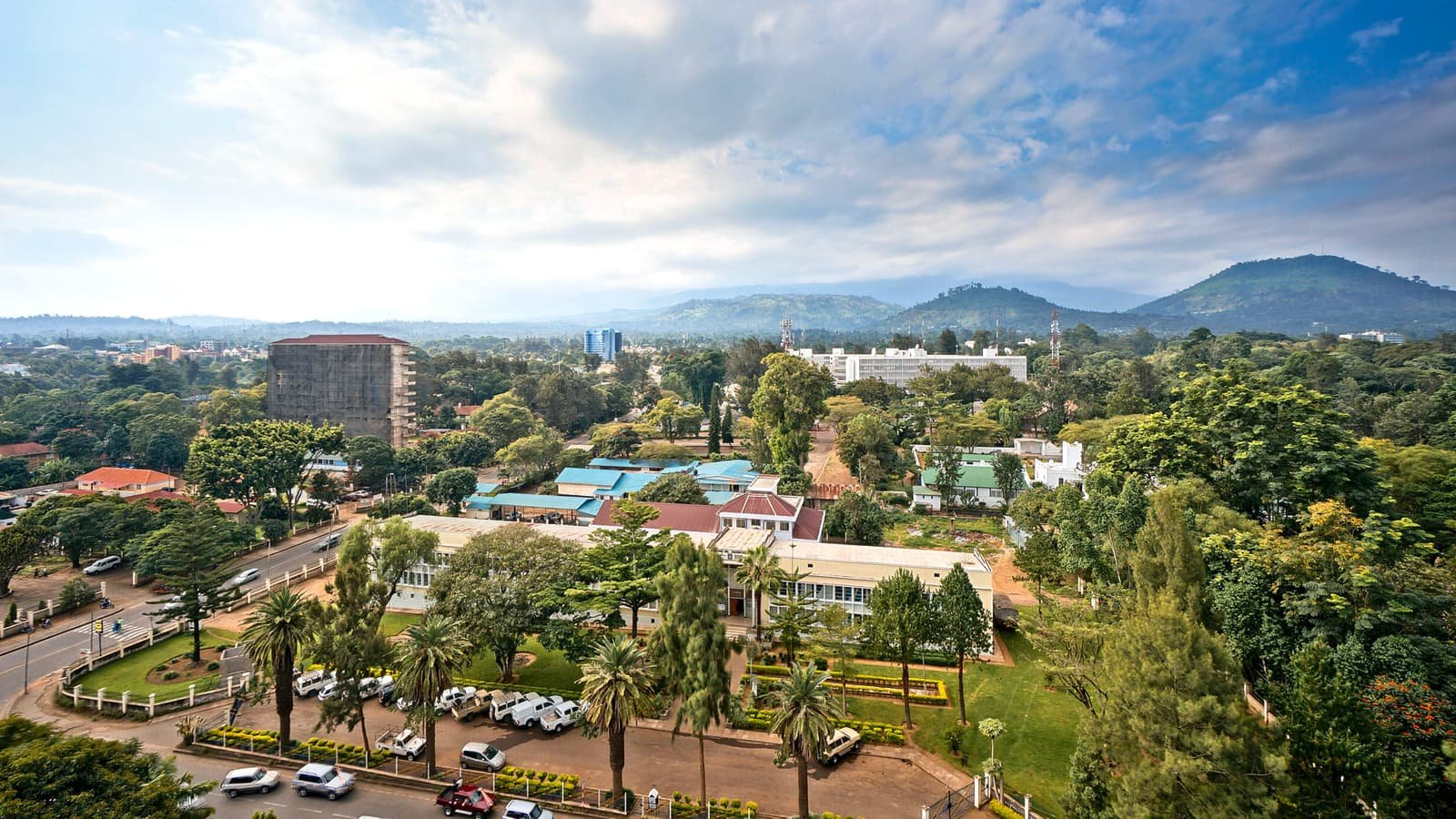
Arusha is one of the most developed and fastest growing towns in Tanzania. It is the headquarters of the East African Community for regional social and economic cooperation, and the former site of the Rwanda genocide tribunal, which is where the name Geneva of Africa comes from. Arusha is also the gateway safari destination to the famous Serengeti National Park; the Ngorongoro Crater, the garden of Eden; Tarangire National Park, the park of two giants, baobab trees and elephants; Lake Manyara National Park, the home of the tree‑climbing lions; and Arusha National Park, a small and beautiful park.
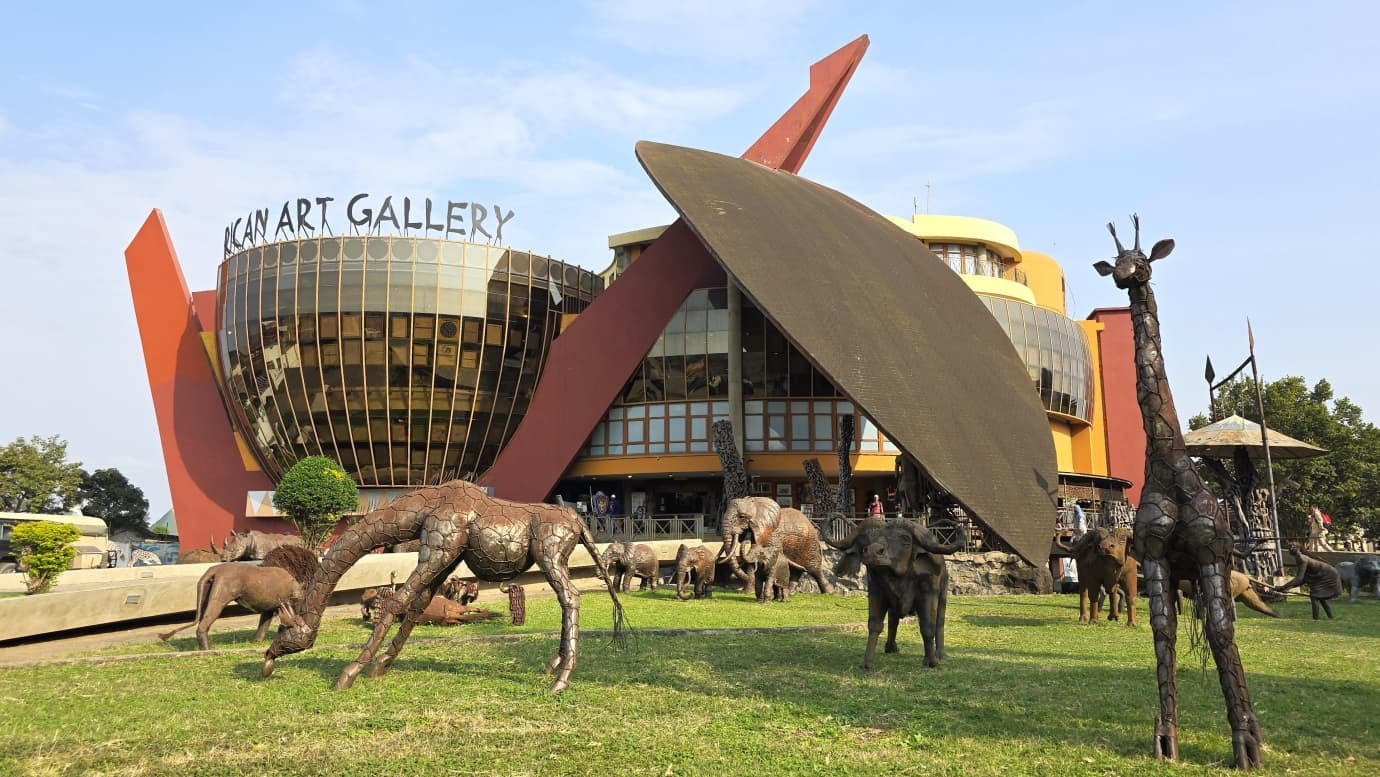
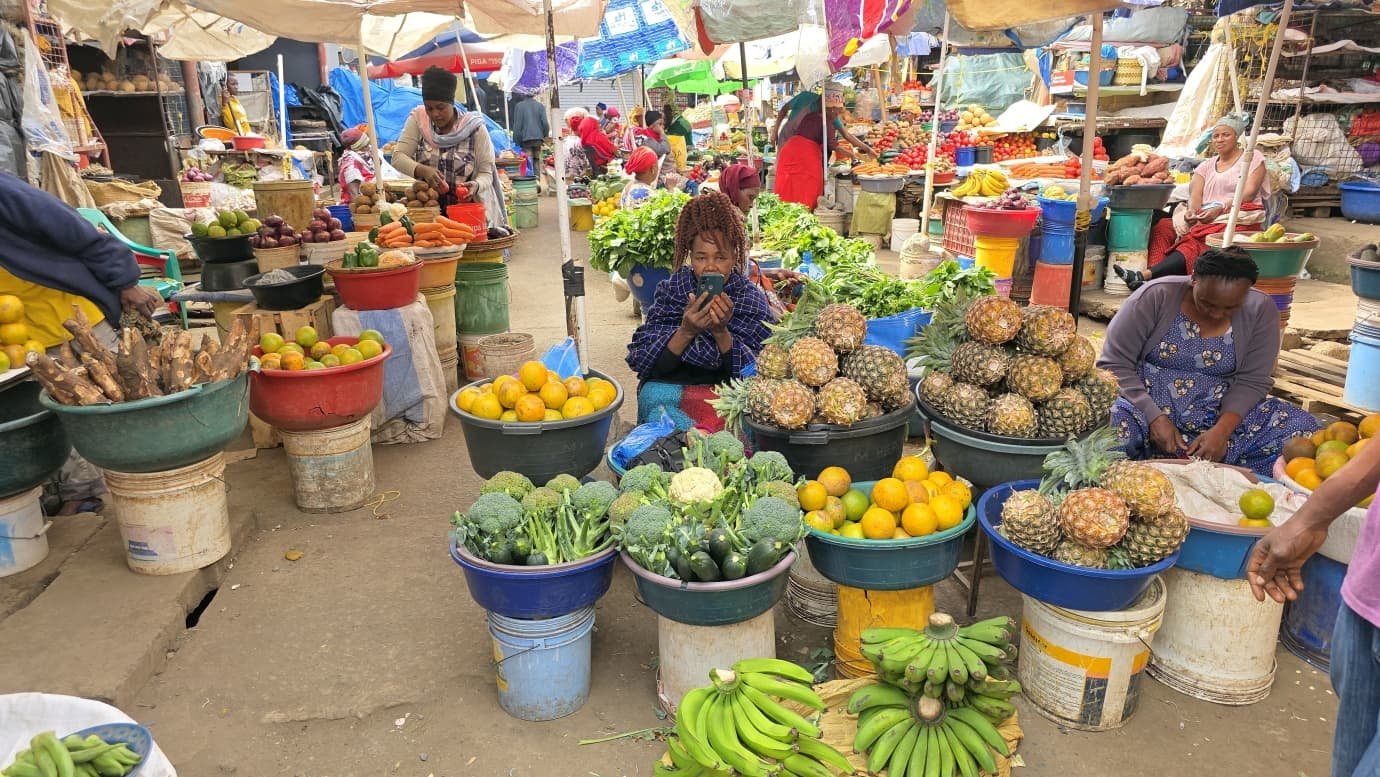
What sits around the town
Half day
A guided walk through the city: the central market, the Maasai craft stalls, a coffee farm in the foothills and lunch in the highlands.
Full day
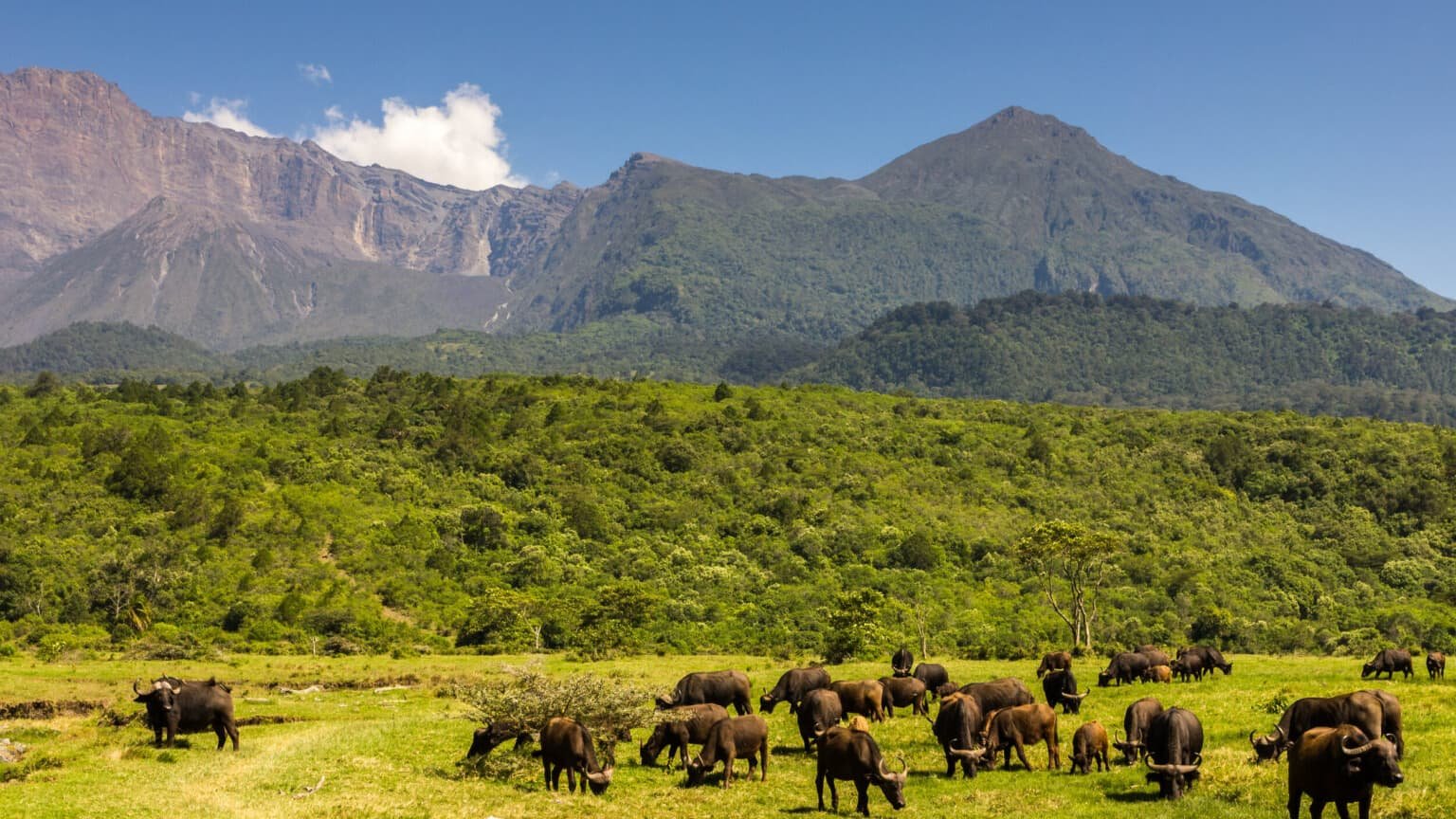
A drive past the crater lakes and through the forest, then a ranger-led walk on Mount Meru’s lower slopes. Colobus, giraffe and buffalo.
Full day
Two hours east at Materuni, in the Kilimanjaro foothills. An easy walk through banana farms to a 250-foot fall, with a swim at the bottom if you packed for it.
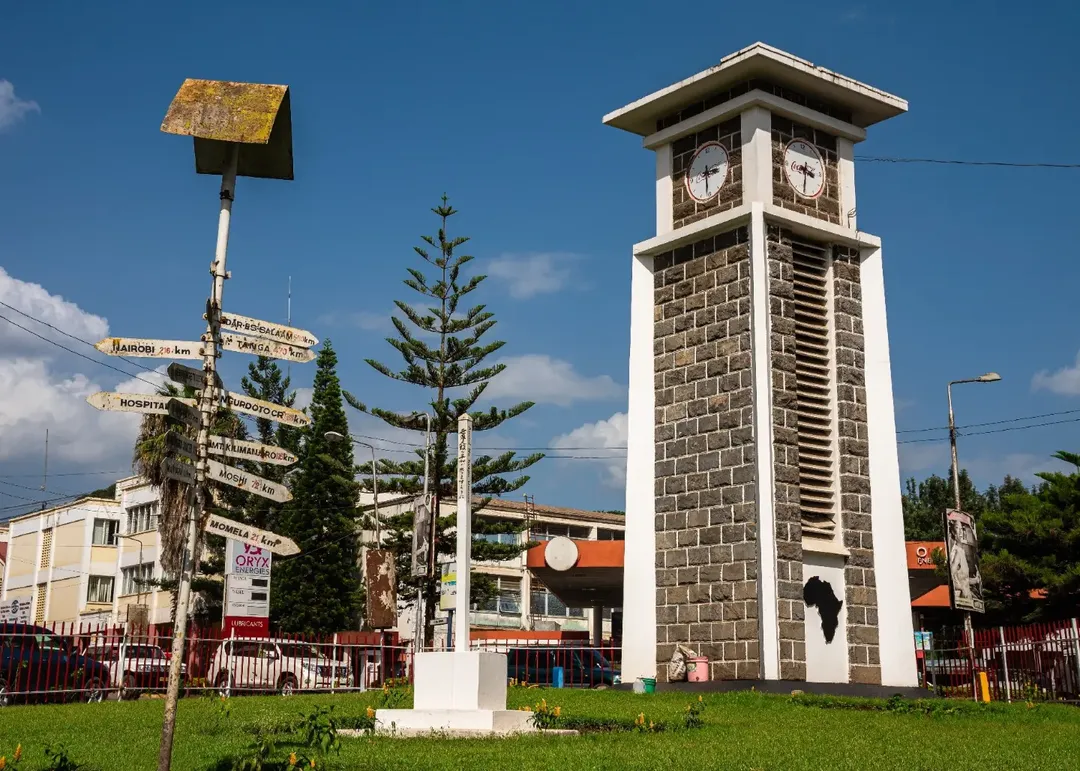
The clock tower, at the centre of town. The signpost beside it counts off the distances — Nairobi, Dar es Salaam, Moshi — and the roundabout is where every road in northern Tanzania meets.
In detail
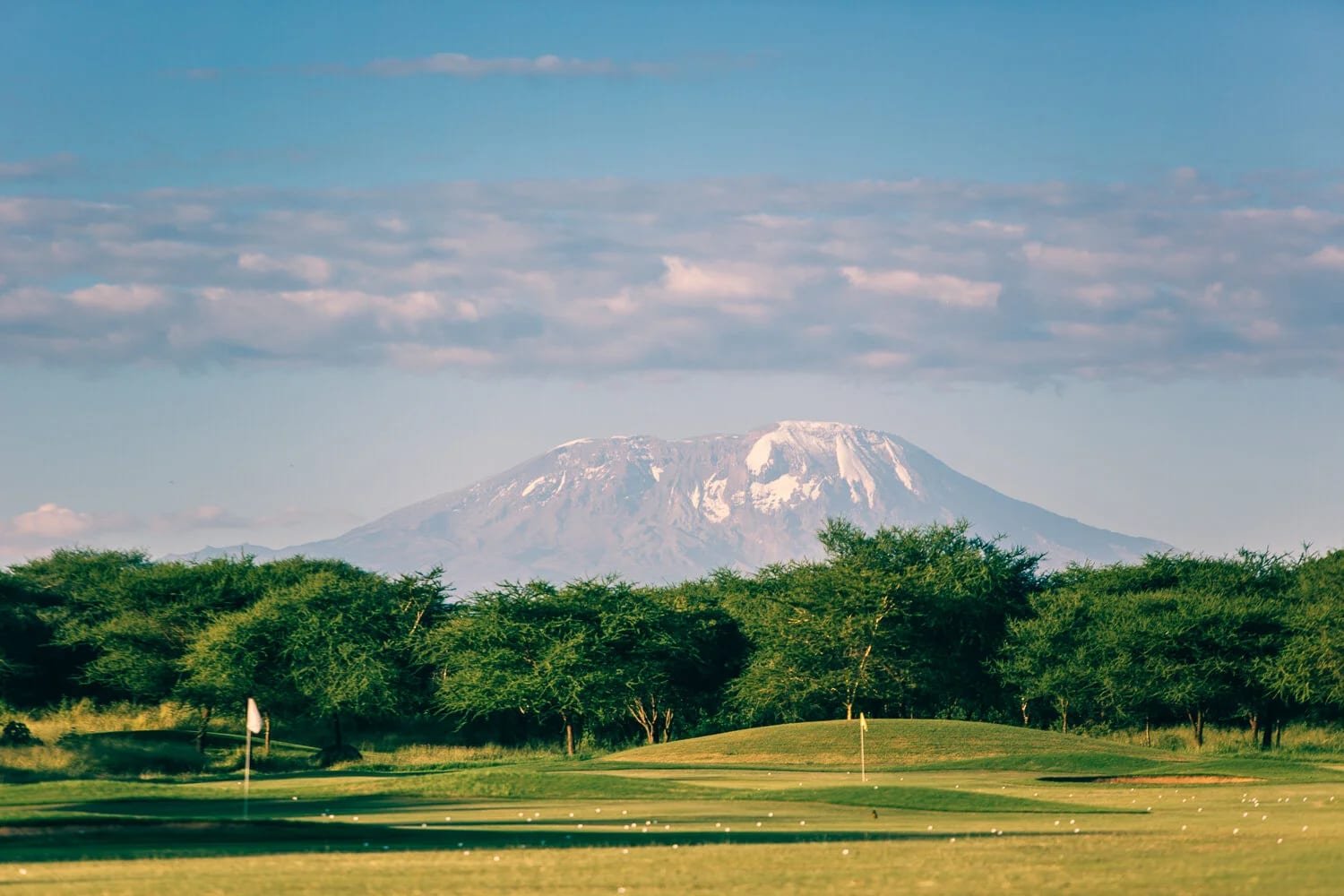
Arusha city is among the most popular cities in the country. It is a safari harbour capital and a multi‑national city, surrounded by western developments and amenities. A town that sits in the foothills of two towers, Mount Meru and the well known Mount Kilimanjaro to the east, it has its own rhythm and its own taste of mountain weather before you set out west for the vast plains. The people around you are characterised by warmth, politeness and dignity, and most of them will say karibu sana and karibu tena: welcome very much, and welcome again.
There are enough attractions here to be a journey on its own, whether that is a half‑day town tour or a full day out in Arusha National Park. Markets, coffee farms, workshops for tanzanite (the famous blue gemstone), local restaurants, safari company offices, cafés, Maasai crafts and small businesses are all around the town. Beyond the town streets, Arusha opens into farmland, forest, mountains and wildlife.
A layover day, with an extra night before your safari and after long hours of travelling, gives you the time and the chance to get rid of the jetlag, and to discover the places, the people and the day‑to‑day life that make Arusha the safari capital.
Where you can stay
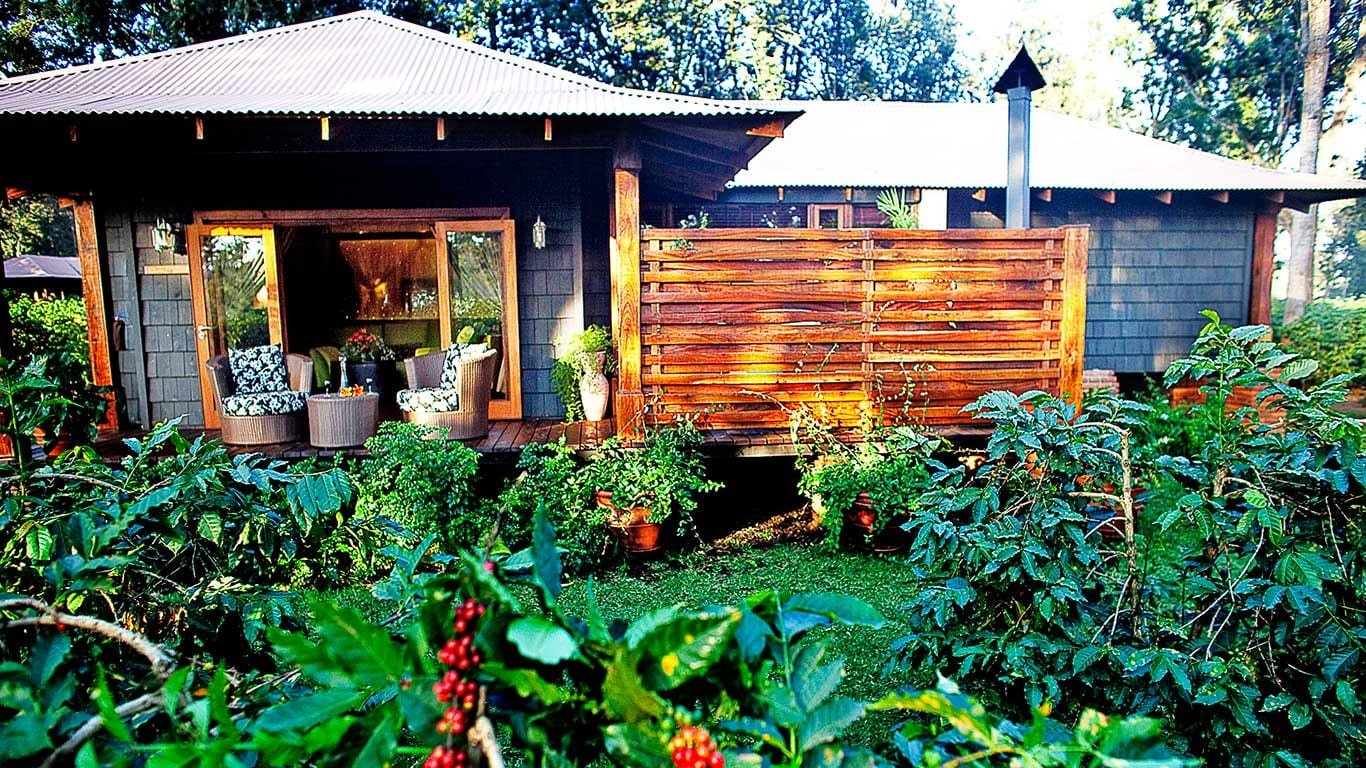
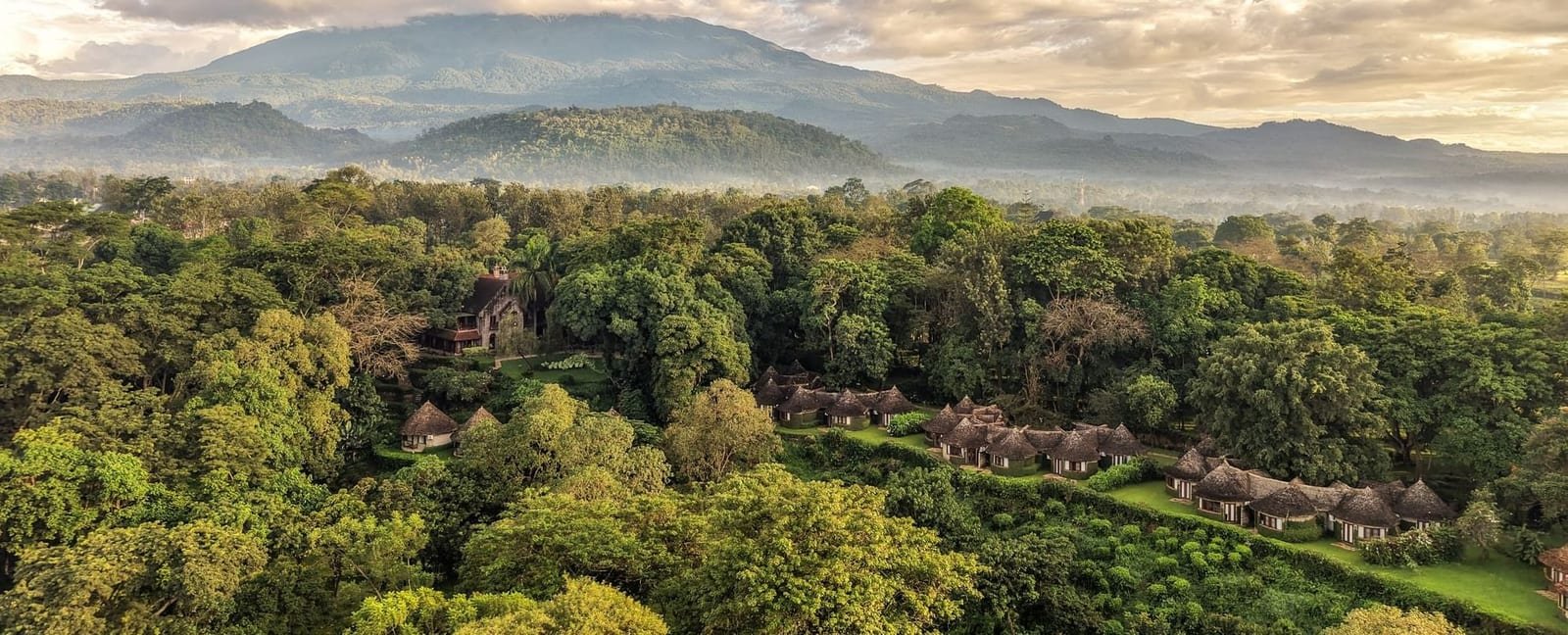
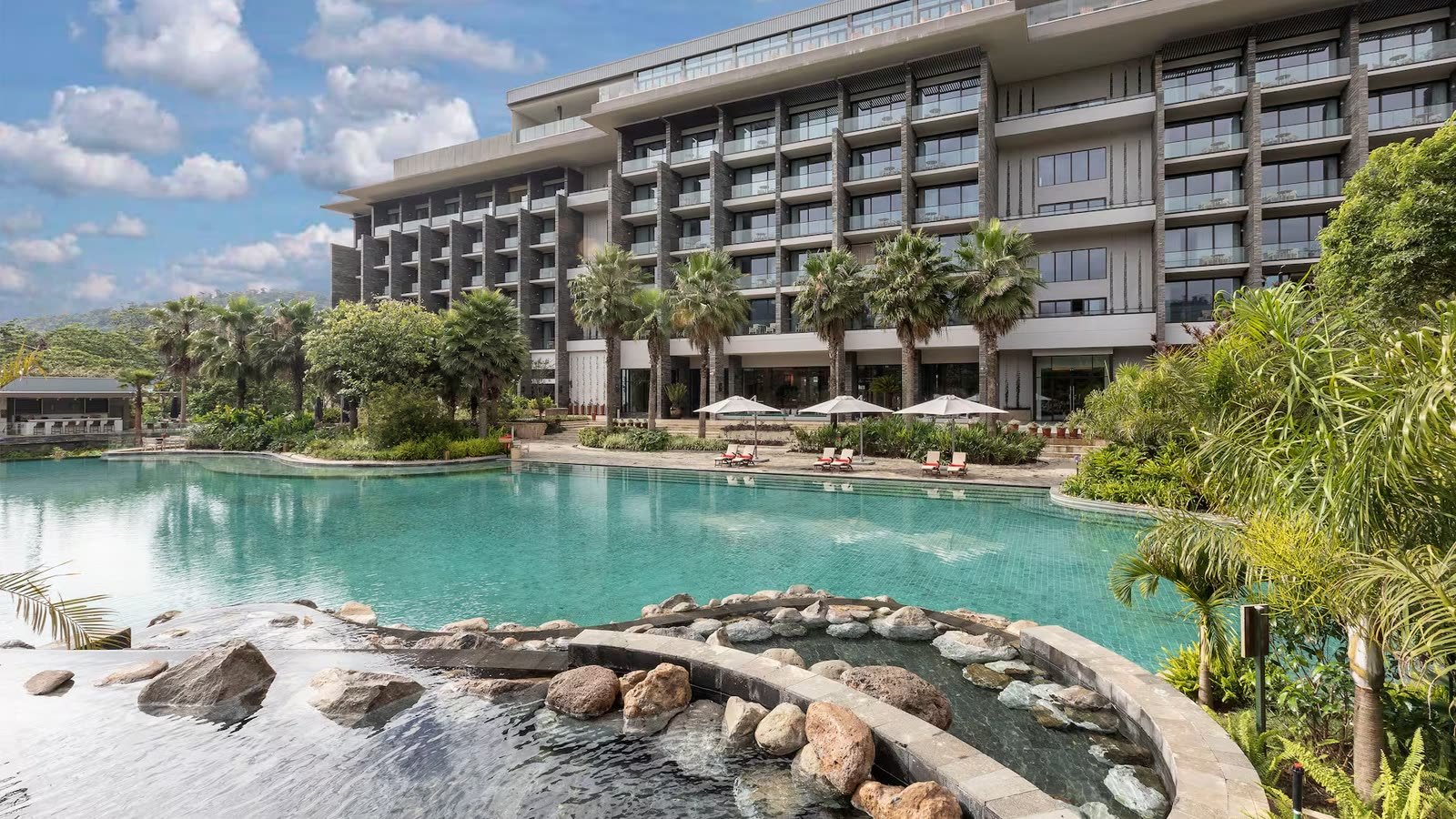
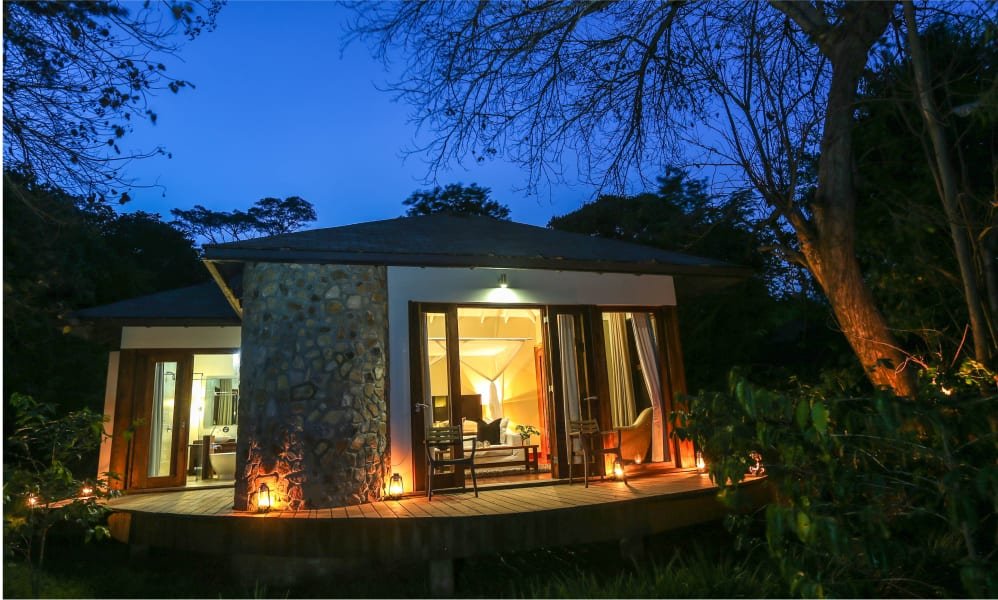
From simple city stays to comfortable lodges, these are the properties we would consider when choosing where to stay in Arusha.
Plan your Arusha safari
Direct line
Tanzania office
P.O. Box 746, Usa-River, Arusha
The mountain is the last thing you see leaving,
and the first coming back.