Cultural Tours.

Beyond wildlife, the soul of Tanzania lives in its people. From 3.6-million-year-old footprints to the daily rhythm of a Maasai boma — a journey into our shared human story.

Price

From $10 per person

Duration

1 to 4 hours

Where

Arusha, Ngorongoro, Manyara, Eyasi, Olduvai & W. Serengeti

Format

Private, community-led

The experience

The cradle of mankind.

Where the human story begins.

Few places on Earth possess a human history as deep as the Serengeti. The region earned the title The Cradle of Mankind, the stage for our earliest ancestors’ first steps.

At Laetoli, 3.6 million years ago, three early hominids walked across the plains following a volcanic eruption. Their footprints were preserved in ash, damp from rain, hardened into stone — the earliest direct trace of human-like creatures walking erect. The story continues in the walls of Olduvai Gorge, where fossilised skulls dating back 1.75 million years reveal the evolution of our species.

The Datoga were followed by the Maasai nearly 150 years ago, creating a tapestry of migration and coexistence. A cultural tour here is more than a visit — it’s immersion into a timeline that belongs to us all.

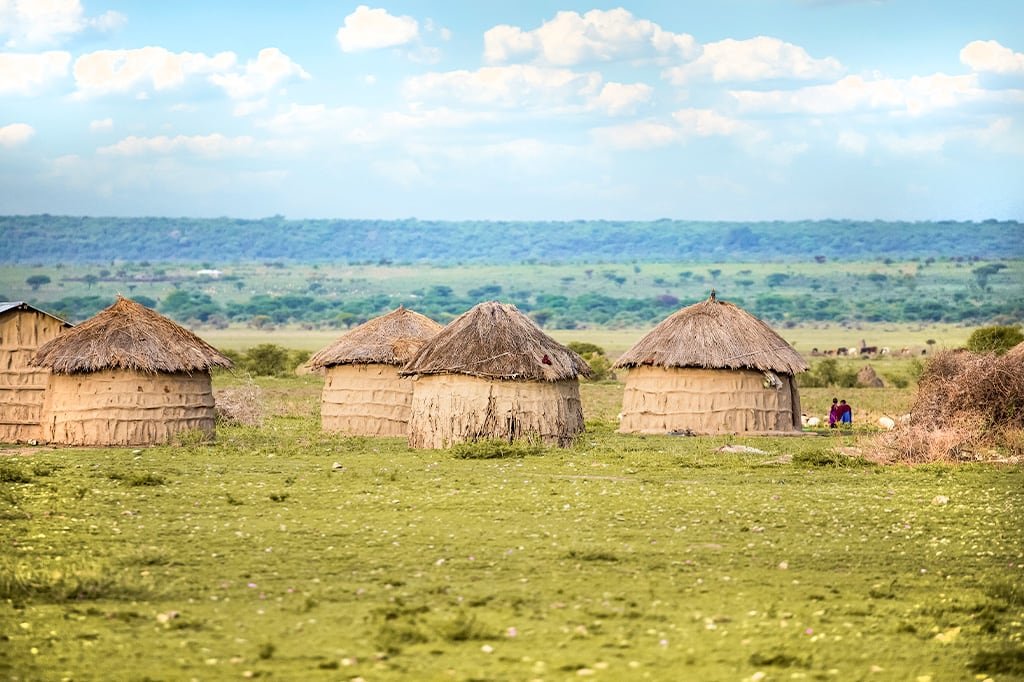
  • Maasai Boma visit. Step inside a traditional Maasai homestead. Welcomed by a village chief who explains their nomadic life, spiritual beliefs, and how they coexist with surrounding wildlife. Our guides maintain relationships with Bomas off the tourist circuit — private, authentic encounters. Slots in naturally between the Serengeti and Ngorongoro.
  • Olduvai Gorge: Dawn of Humanity. One of the world’s most significant archaeological sites. The museum, ancient stone tools, a lecture by a Department of Antiquities guide. We can arrange a private walk down into the gorge to visit active dig sites with an official guide.
  • Poli Village. A non-touristy look at modern Tanzanian life near Arusha. Meet the village chairman or council, visit the primary school, hospital, courthouse, and administrative offices. Best added as an extra day in Arusha — it gives context to your entire safari.
  • The School of St Jude. A charity-funded school providing free education to over 1,600 of the brightest yet poorest children in the region. Since 2002, grown from a single classroom to three campuses. Meeting the students is a moving experience for guests interested in the future of Tanzania.
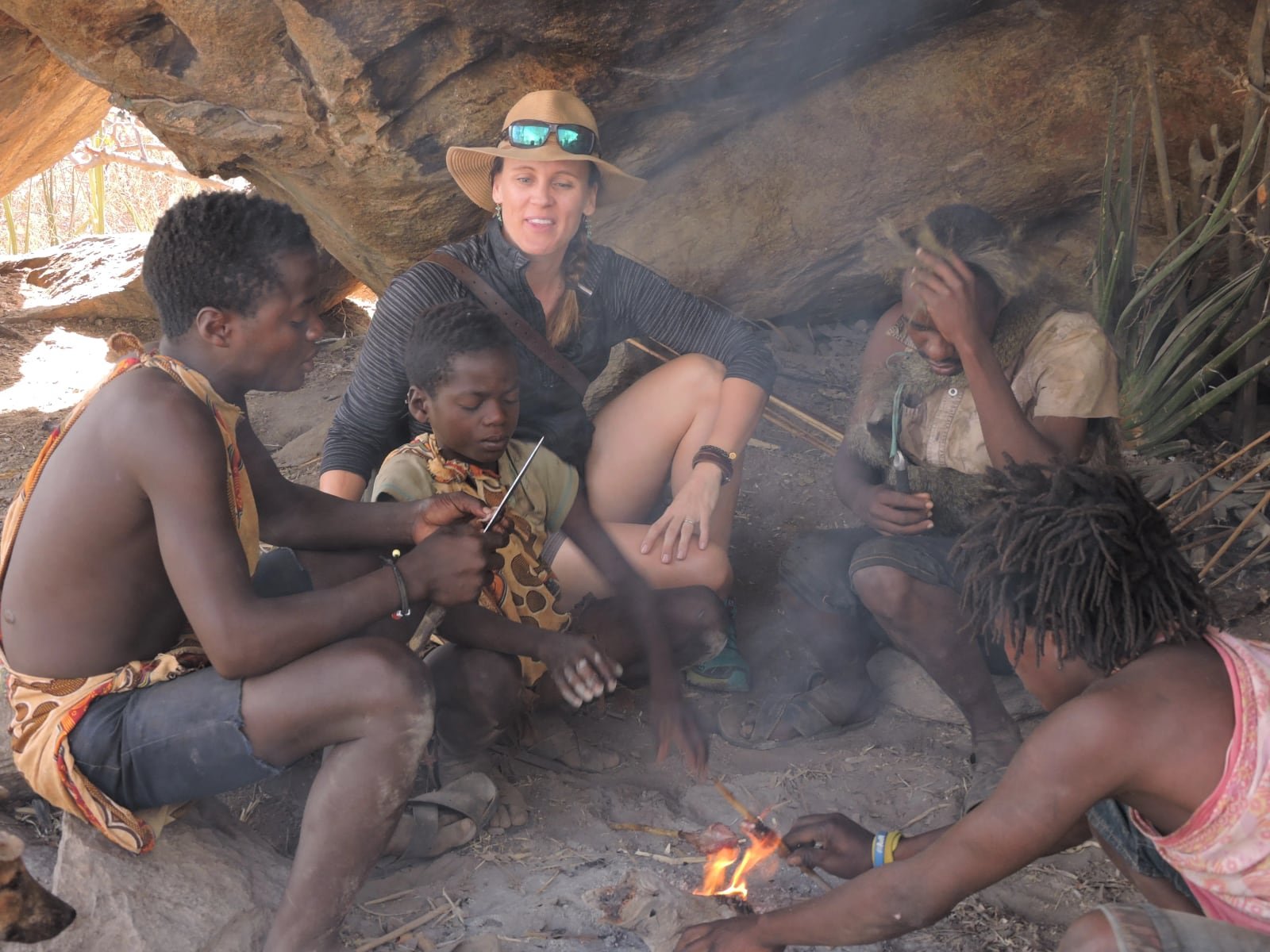
  • Hadzabe: the last hunter-gatherers. A rugged journey to meet the Hadzabe near Lake Eyasi — the last functioning hunter-gatherer tribe in Africa, unrelated to any other ethnic group, with a distinct click-based language. Learn their hunting techniques, handmade bows, and plant knowledge. A “time-travel” experience. Requires a one-night stay in Karatu or Manyara.
  • Iraqw underground houses. In the Ngorongoro Highlands. The Iraqw — originally from Ethiopia, Cushitic speakers, skilled agriculturalists — built extraordinary subterranean homes for defence in ancient wars. Tour the preserved dwellings. A fascinating contrast to Maasai culture.

Lake Victoria fishing village.

Just outside the western Serengeti, the shores of Lake Victoria (source of the Nile, largest tropical lake in the world). A traditional fishing village where life revolves entirely around the water — colourful local dhows, age-old fishing techniques, vibrant lakeside markets.

A refreshing geographic and cultural contrast to the dry savannahs of the interior. Conducted while staying at lodges in the Western Serengeti corridor.

Honest expectations

Going in with respect.

Cultural tours are conducted with real communities, not staged experiences. A few principles we hold to — and ask you to hold to.

  • 01

    Real people, not performance

    The Bomas, villages, and tribes you visit are real, lived-in communities. People are going about their day. Treat the experience as you would a respectful visit to anyone’s home.

  • 02

    Ask before photographing people

    Especially individuals — ask the chief or your guide first. Most are happy. A few aren’t. Respect either answer. The landscape doesn’t need permission; people do.

  • 03

    Fees go directly to the community

    Small fees are paid directly to the village chief or community fund, not to us. This is how tourism contributes meaningfully to the people opening their lives to you.

  • 04

    Questions welcomed

    Our guides and the elders enjoy genuine curiosity. Ask about spiritual beliefs, daily life, how they see the world. They’ll tell you. This is the whole point.

  • 05

    Remote tours require planning

    The Hadzabe excursion, Olkarien Gorge, and some Iraqw tours require an extra night in a specific lodge. Tell us if these interest you so we build the itinerary accordingly.

  • 06

    Bring small gifts (optional)

    Notebooks and pens for schools (Poli Village, St Jude) are always welcomed. Avoid candy or money for children directly — channel donations through the institution.

Ready to meet the people of the plains?

Add a cultural tour to any itinerary — tell us your interest and we’ll connect you with the right community.

Reach the team

Where every safari begins — with a conversation.

Direct line

+255 700 000 000

Tanzania Office

P.O. Box 746, Usa-River, Arusha

Tanzania, East Africa

Hours: Daily 8AM — 8PM EAT

Email Us

info@africawildbynaturesafaris.com

Replies within 24 hours

Tell us your story

Tell us what you’re hoping for — the people, the timing, the wild moments you’re chasing.