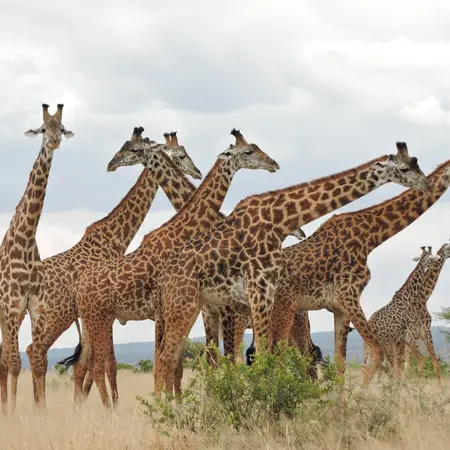
People come to the Serengeti expecting a single event. They have seen the cable-television version — the Mara River, the crocodiles, the leap — and they imagine the migration as something that happens. It is more honest to call it a place. The wildebeest never stop moving. The herd is always somewhere on its loop, calving, ranging, mating, fleeing the dry, walking toward water. The question we get every week is where they will be in March or September. The answer, season by season, is the difference between catching the spectacle and standing in an empty quarter of the park trying to figure out where everyone went.
The route is broadly clockwise, set down a long time before the first vehicles came. From December to May the herds are spread across the southern and eastern plains — short-grass country where the volcanic soils, fed by ash from Mt Lengai, push up the high-protein grasses the cows need to nurse calves. Births begin synchronously in early February, two or three weeks of everything giving birth at once, half a million calves on the ground in a fortnight. The predators do not believe their luck.
There is an old saying in the Serengeti that rain means game. It rings true. Wildlife viewing during the green season is unbeatable, and the cliché about peak crowds in July only holds if you stay in the central corridor.
May, and the great westward sweep.
By the first week of May the plains have dried enough that the herds must move. The wildebeest rut happens here — a synchronized mating frenzy that runs for ten or fifteen days while the migration is still consolidating. After that, the long walk west begins. Through May and June the herds fill the western corridor, past the Mbalageti River, toward the Grumeti. The Grumeti crossings come earlier than most travellers realise — June rather than August — and the river itself runs slow, dark, and full of the largest Nile crocodiles in East Africa. Some of those animals have not eaten since the previous year.
July to November — the northern season.
July through November is the part most visitors picture. The dry season has pushed the herds north into the Lamai Triangle and the bend of the Mara River. The crossings happen here, on and off, for four months. People always ask whether you have to go to Kenya to see them; the honest answer is no. The Tanzanian side of the Mara is longer than the Kenyan side, holds far fewer vehicles, and — thanks to controlled burning that pulled the herds south after 2010 — tends to keep roughly four-fifths of the migration on it through the season. November brings the southward turn: the great herds stream back through the woodlands as the first thunderclouds build over the plains, and by late December the loop has closed and the cycle resets.
The quiet answer to when to come.
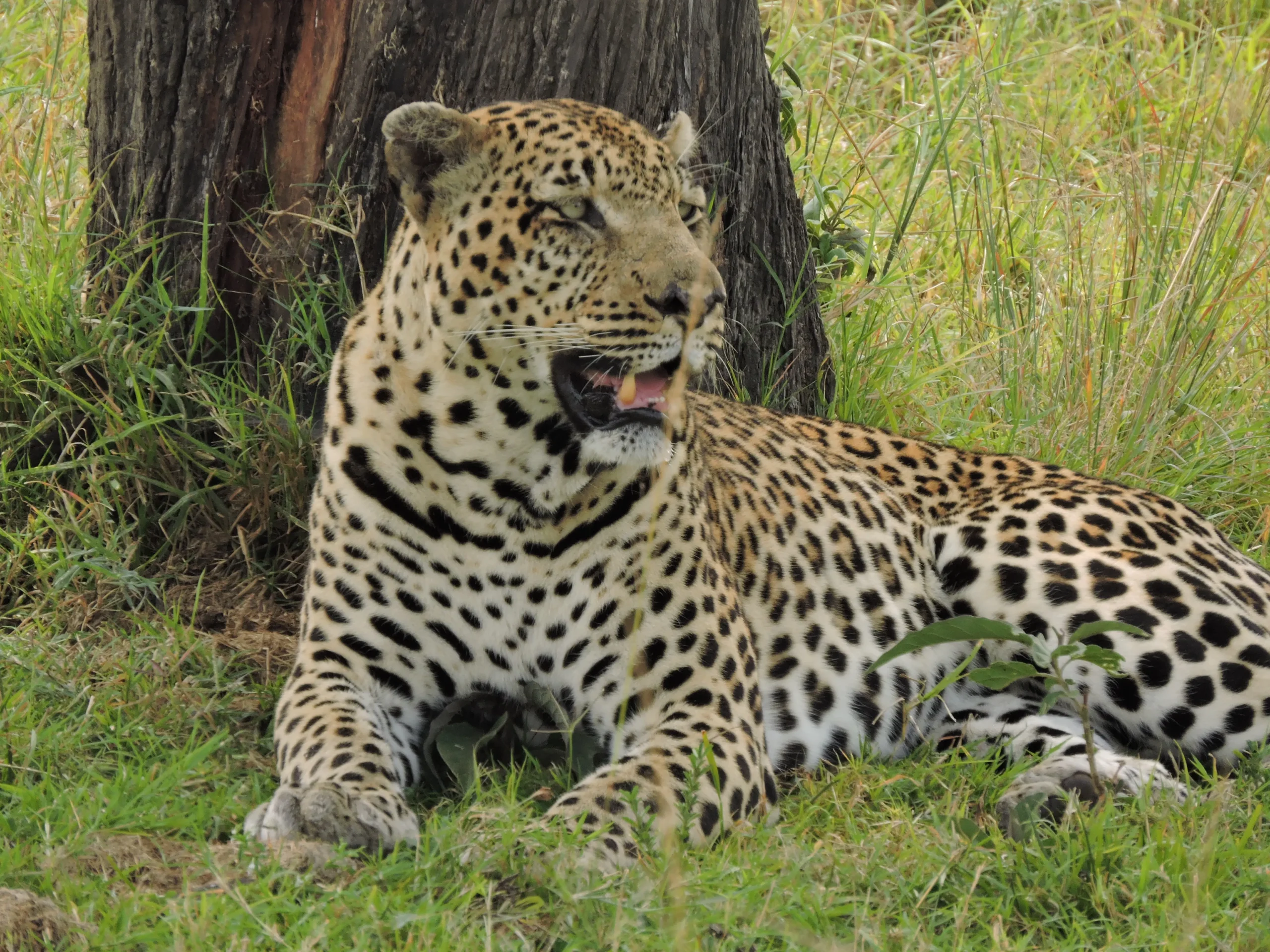
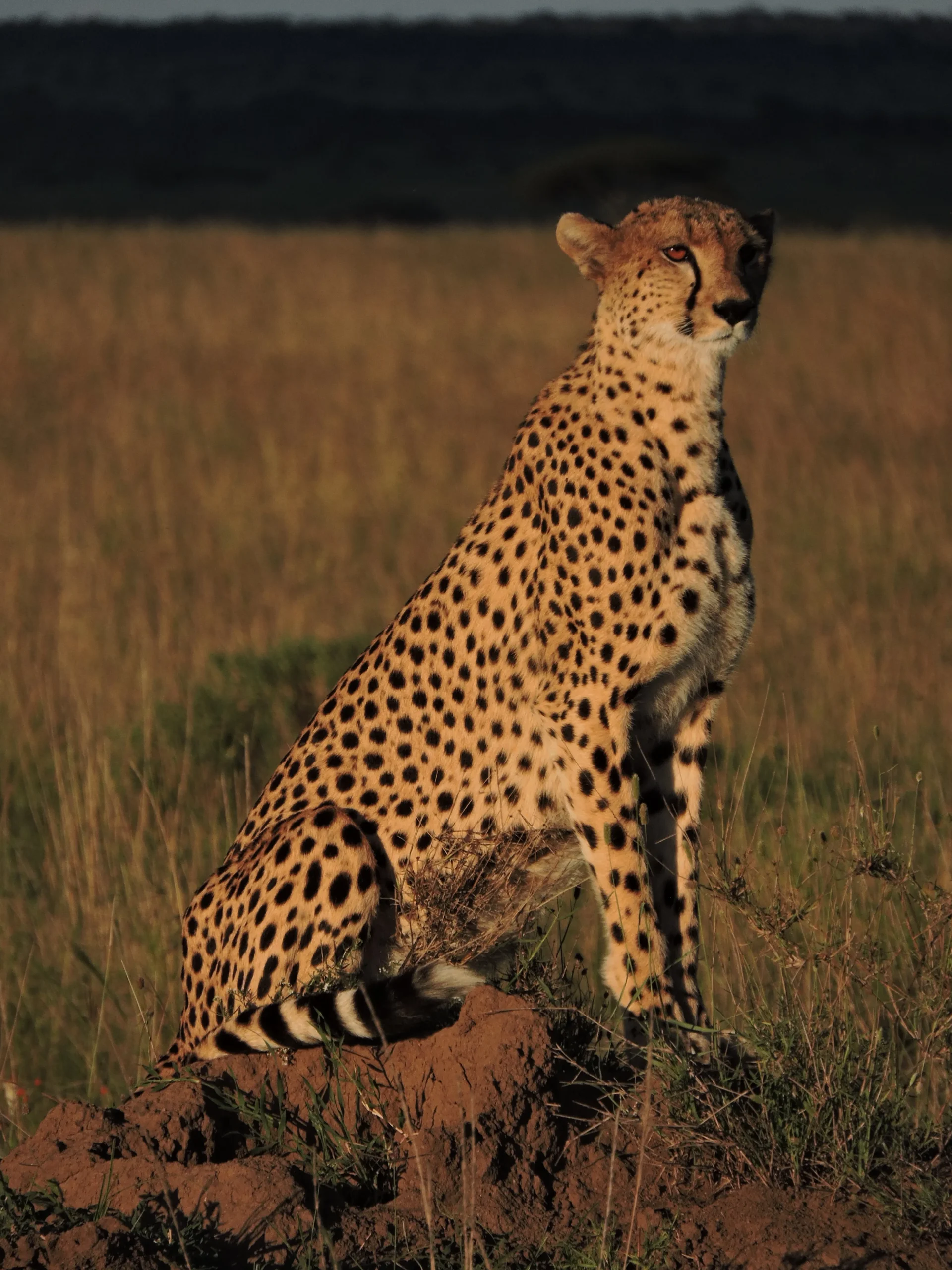
Months that the industry treats as off-season — April, November — are quietly the ones we book ourselves into. The light is dramatic, the predator viewing is unbeatable, the parks are empty. April catches the tail of the calving and the start of the rut; you may lose an afternoon to a thunderstorm but you will rarely lose a morning. November catches the southward surge with storm clouds piling up against the plains. If you are choosing between July and August, take August: similar wildlife but fewer school holidays. If you are choosing between September and October, take October: the crossings are still happening, the bookings have eased, the air has just begun to lift.