Arusha.

Where every safari begins — Tanzania’s safari capital, cradled between Mount Meru and Kilimanjaro. The first taste of the highlands before the plains.

The town at the foot of two mountains.

Where every safari in northern Tanzania begins and ends. A small, characterful city in the foothills of Mt Meru, an hour from Kilimanjaro Airport — and worth more than the night most itineraries give it.

Arusha is not a destination most people fly to Tanzania to see. It is the operational hub of the Northern Circuit — the airport, the office, the lodging the night you land and the night you fly home. We have lived and worked here for twenty years, and we would argue, gently, that an extra day in Arusha is rarely wasted. Mt Meru sits behind you, Africa’s fifth-highest peak. Kilimanjaro is forty minutes east on a clear morning. The Maasai market in the centre of town sells everything from beadwork to tanzanite. And the foothills are full of crater lakes, coffee farms, and a national park with the best black-and-white colobus monkey viewing in East Africa.

What sits around the town

Two mountains, one park,
and a craft economy.

14,968ft

Mt Meru.

Africa’s fifth-highest mountain. Visible from the office window. Climbable in three to four days.

19,341ft

Kilimanjaro.

Visible east on a clear morning. The roof of Africa. JRO Airport sits at its base.

50

Sq miles park.

Arusha National Park — lakes, crater, montane forest. The colobus monkeys are unmissable.

400+

Bird species.

Recorded in Arusha National Park. A gentle introduction to the avian wealth of the region.

Three ways to spend an extra Arusha day

Half day

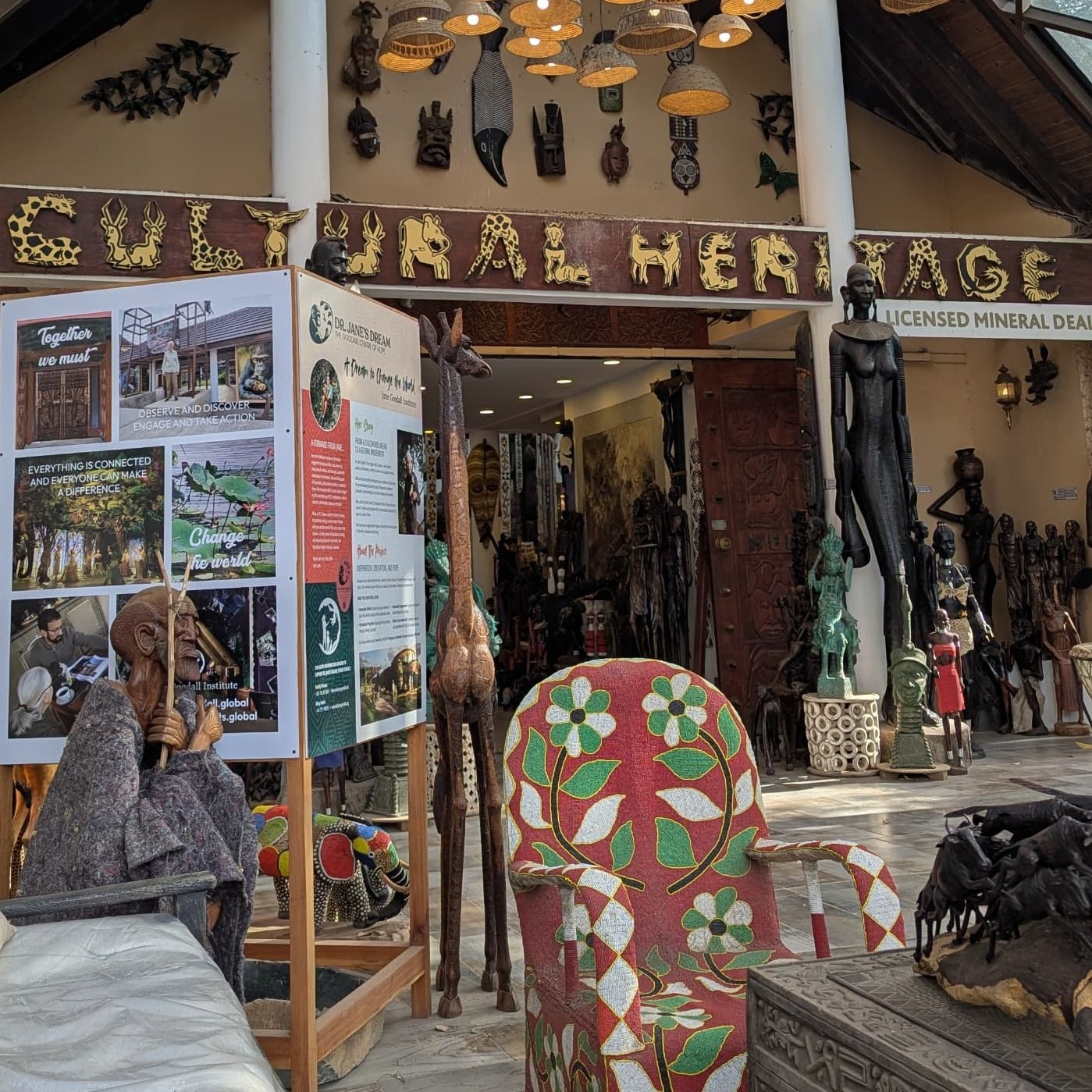
Cultural heritage.

A guided town tour: the central market, the Maasai craft co-operative, a coffee farm in the foothills, lunch in the highlands.

Full day

Arusha National Park.

Game drive through crater lakes and forest. Walking safari with a ranger on Mt Meru’s lower slopes. Colobus, giraffe, buffalo.

Full day

Materuni waterfall.

Two hours east, in the Kilimanjaro foothills. An easy hike through banana farms to a 250-foot fall. Swim if you brought a suit.

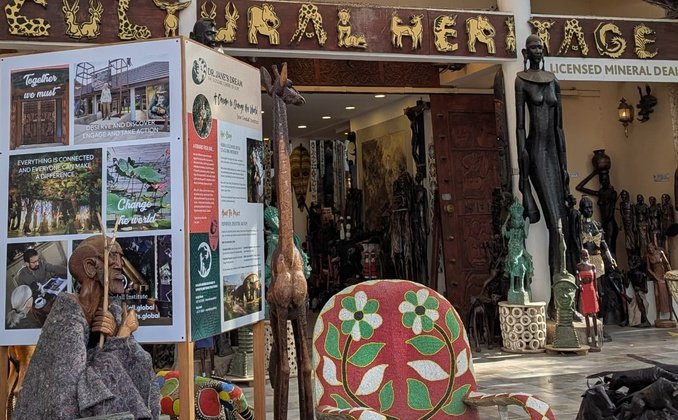
Cultural Heritage centre

Cultural Heritage centre, on the western edge of town. Maasai craft, tanzanite, and a reliably good lunch.

Year in the wild

Seasonal highlights.

What Arusha feels like, month by month — weather, light, and what’s on offer between safari legs.

MonthSeasonWeatherWhat you’ll seeRecommend
JanuaryGreen season60–85°F
Sunny, brief showers
Cultural tours, coffee plantations, Maasai market, Meru hikes. Ideal start.
FebruaryGreen season60–85°F
Sunny, brief showers
Lush slopes, clear views of Kilimanjaro on cool mornings.
MarchGreen season60–83°F
Sunny, occasional rain
Spa, swimming, charitable visits. Excellent for layover days.
AprilLong rains60–83°F
Heavy rain, lush green
Dramatic skies on Meru. Indoor cultural tours, coffee tastings.
MayEnd of rains56–81°F
Mostly sunny, cool
Crystal-clear mountain views. Best photography light for the peaks.
JuneStart of dry season56–81°F
Sunny, cool nights
Golf, sightseeing, Arusha National Park day trip. Cool, comfortable days.
JulyDry season60–83°F
Sunny, dry
Peak safari season. Town busy, energy high. Layover stays ideal.
AugustDry season55–81°F
Sunny, dry, crisp
Mt Meru hikes at their best. Cool nights, sunny days.
SeptemberDry season55–81°F
Sunny, dry
Coffee harvest season. Plantation tours at their richest.
OctoberDry season60–83°F
Warm, dry
Excellent weather. Cultural tours, charitable visits, spa days.
NovemberShort rains60–83°F
Sunny, brief showers
Skies dramatic, town quieter. Excellent for slow exploration.
DecemberGreen season60–83°F
Sunny, brief showers
Festive light. Cultural events, lush highland scenery.

Where the safari begins.

A field guide to the day before the safari, written from twenty years of meeting people at the airport — what to do with an Arusha layover, and why we recommend two nights instead of one.

The first thing most people do in Tanzania is sleep through it. They land at Kilimanjaro Airport tired, get driven the hour to a lodge in the Arusha foothills, fall into a bed, and are up the next morning on a small plane bound for the Serengeti. The Arusha night is just a transition. It is also a missed opportunity. After two decades of meeting guests in the JRO arrivals hall, the single piece of advice we give most often is the simplest: schedule two nights in Arusha, not one. The reason is not romantic. It is logistical, with a romantic side benefit.

The logistical case is straightforward. International flights from the US and Europe are increasingly subject to delays, and a single missed connection in Amsterdam or Doha can bleed a day off the front of your safari. Two nights in Arusha builds in the cushion. The romantic side benefit is that you get a real afternoon and a real morning to acclimatise — to the altitude, the time zone, the equatorial light — before the safari pace begins.

Two nights in Arusha is the single best change you can make to a standard ten-day itinerary. The day before the safari is a part of the safari you didn’t know you wanted.
Mt Meru from the foothills
Mt Meru from the foothill lodges. Africa’s fifth-highest peak, fourteen thousand feet above the office.

The town, honestly.

Arusha is a working East African city. About half a million people. A busy central market with stacks of mangoes and second-hand sneakers, a clock tower the colonial British put up, modern coffee shops, traffic that does its own thing. It is not Cape Town and it is not pretending to be. What it is, is the friendliest entry point in northern Tanzania — people will greet you on the street, the Swahili is patient and slow, and a half-day guided town tour costs less than lunch in your home country. Bring small notes if you want to buy from the Maasai market in the centre; haggling is part of the protocol and a good guide will not let you overpay.

A morning at the foot of Meru.

If you have one morning to spare, Arusha National Park is our pick. Half an hour from town, fifty square miles, completely uncrowded. The crater lakes are full of flamingos in season. Giraffe wander between them. The forest holds the famous black-and-white colobus monkey, which you will not see in many of the bigger parks further west. A guided walk on Mt Meru’s lower slopes — led by a park ranger because there are buffalo about — is the closest most people get to a walking safari on a standard itinerary. Bring a fleece even in the dry months; the altitude is cool.

Long arrival, longer flight.

Some international routings land you in Arusha at three in the morning. If yours is one of them, we will book the hotel for the night before, so that you can check in at three in the morning and stagger directly into a real bed. The alternative is being told the room is not ready until eleven, which is not the welcome anyone wants. Tell your safari consultant the moment you book the flight; the timing is easy to handle if we know in advance.

Ready to begin your story in Arusha?

Tell us when you’re thinking and who’s coming. We’ll shape a private safari around what you want to see.

Reach the team

Where every safari begins — with a conversation.

Direct line

+255 700 000 000

Tanzania Office

P.O. Box 746, Usa-River, Arusha

Tanzania, East Africa

Hours: Daily 8AM — 8PM EAT

Email Us

info@africawildbynaturesafaris.com

Replies within 24 hours

Tell us your story

Tell us what you’re hoping for — the people, the timing, the wild moments you’re chasing.