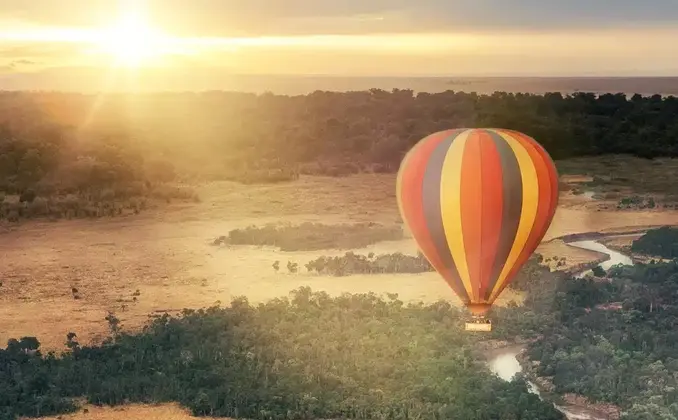
Central Serengeti.

The Serengeti’s year-round wildlife heart — the Seronera Valley, Africa’s highest concentration of lions and leopards, riverine forests, and reliable big-cat action any week of the year.

The valley where the cats are.

The Central Serengeti is the operational heart of the park — permanent rivers, year-round prey, and an unmatched density of large predators in a country famous for them.

This is the part of the Serengeti most people picture without realising it. The acacia woodlands you have seen on every documentary cover. The flat-topped sausage trees with a leopard sleeping along a branch. The Seronera River, fever-tree corridor, threading through it all. If the Serengeti is famous for one thing it is the cats — and if you want to be near them, day after day, in the heart of the dry season or the deep green of April, this is where you sleep.

What walks here

The resident powerhouse,
the year-round capital.

12

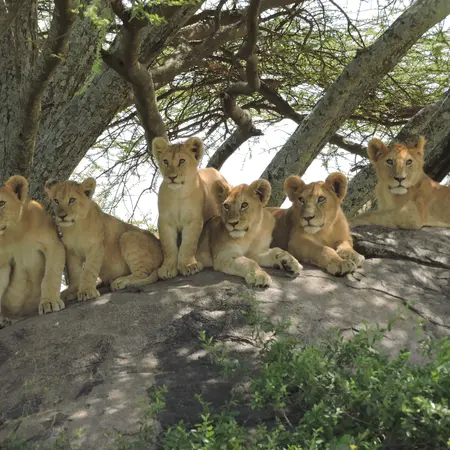
Lion prides.

Documented within an hour’s drive of the Seronera River alone. Resident, named, generations deep.

365

Game-drive days.

Reliable predator viewing every day of the year. No closed season, no quiet month.

Big Four

In a morning.

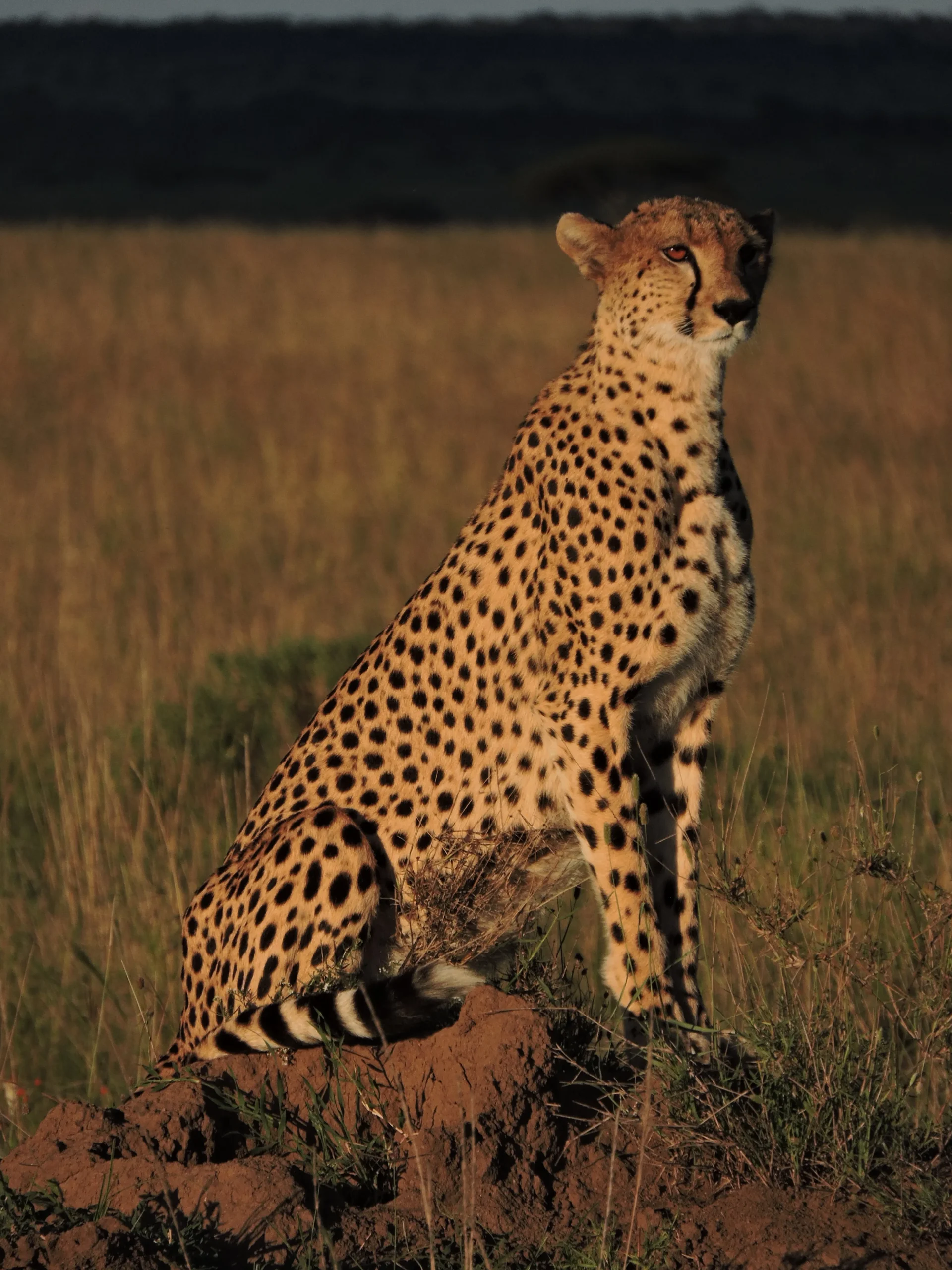
Lion, leopard, cheetah, hyena — one of the few places on earth where all four are realistic in a single drive.

5+

Smaller carnivores.

Servals, caracals, bat-eared foxes, several species of mongoose — diversity well beyond the headlines.

A landscape in three layers

The river corridor

Seronera fever trees.

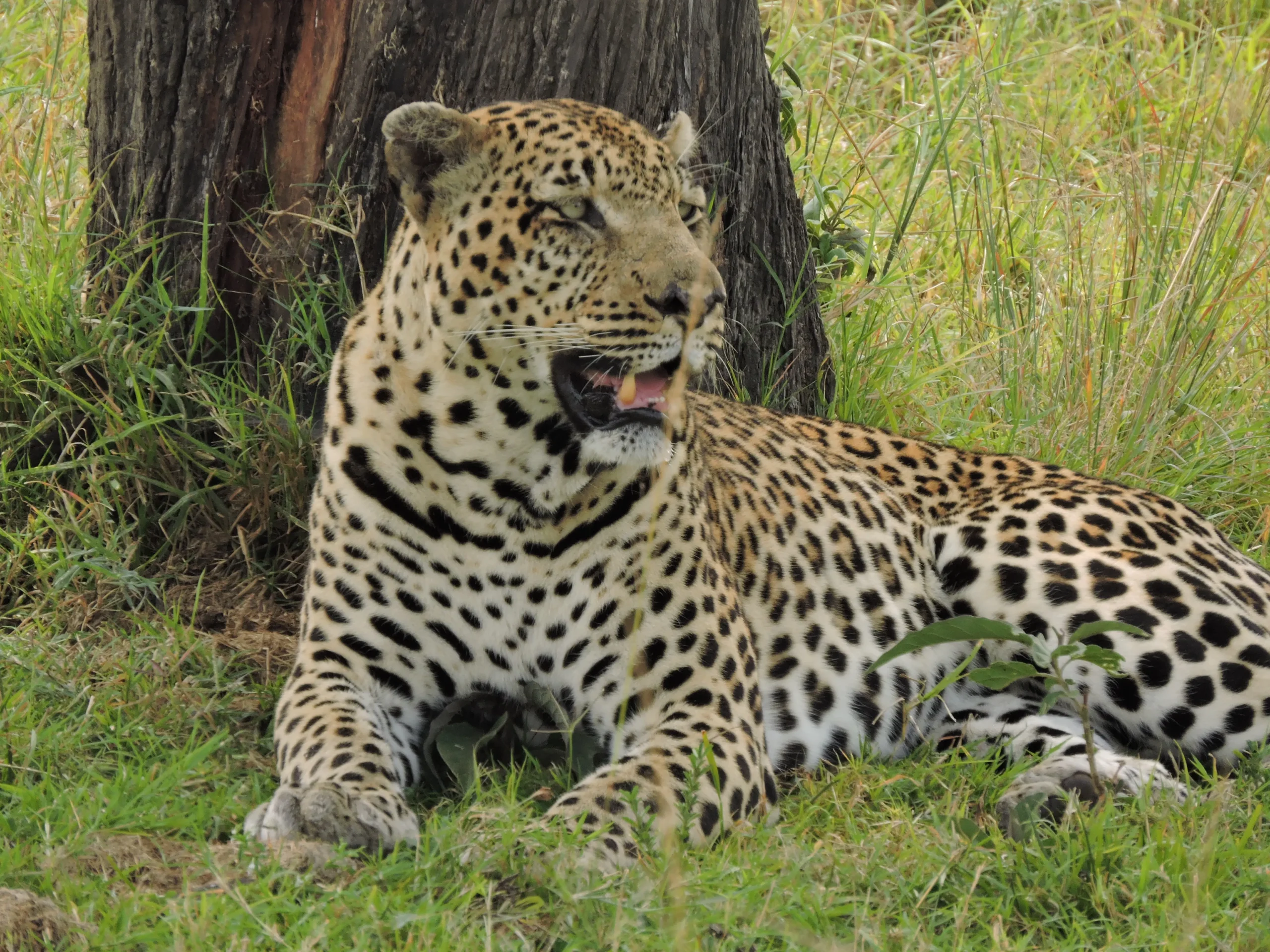
Perennial water, yellow-barked acacias, palms and seasonal swamps. The place leopards sleep through the heat of the day.

The ecotone

Plains meeting woodlands.

Open grassland diffusing into rolling acacia hills — the mixing zone that lets species from both worlds coexist.

The kopjes

Ancient granite outcrops.

Moru, Simba, Maasai kopjes — weathered boulder islands that hold lion prides, klipspringers, and the occasional secret cave.

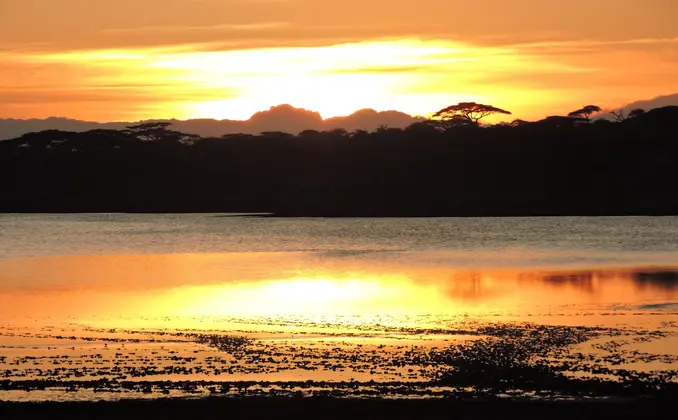
The Seronera valley at dawn

The Seronera valley from a kopje at first light. Twelve documented prides inside an hour’s drive of this view.

Year in the wild

Seasonal highlights.

What the Central Serengeti looks like, month by month — weather, wildlife, and whether we’d send you there.

MonthSeasonWeatherWhat you’ll seeRecommend
JanuaryGreen season60–85°F
Sunny, brief showers
Resident lions, leopards in the sausage trees. Migration south of here but big-cat action consistent.
FebruaryGreen season60–85°F
Sunny, brief showers
Peak cat-cub viewing. Resident prides active. Excellent leopard chances along Seronera River.
MarchGreen season60–83°F
Sunny, occasional rain
Lush corridors. Migration begins drifting north towards the central zone.
AprilLong rains60–83°F
Heavy rain, deep green
Quiet, atmospheric. Lions still resident. Lodges peaceful.
MayNorthward migration56–81°F
Mostly sunny
Mid-to-late May the migration often passes through. Western corridor builds up.
JuneStart of dry season56–81°F
Sunny, cool nights
Migration concentrated in the central region. Wildebeest, zebra, gazelle. Cheetah and lion at their best.
JulyDry season60–83°F
Sunny, dry
Gazelle migration. Resident lion prides at peak hunting. River valleys teeming.
AugustDry season55–81°F
Sunny, dry, crisp
Peak season. Excellent leopard viewing in the kopjes and along the river.
SeptemberDry season55–81°F
Sunny, dry
Cheetah and refugee herds. Animals tightly concentrated around water.
OctoberDry season60–83°F
Warm, dry
Big-cat action peaks. Migration begins to disperse but the central remains active.
NovemberShort rains60–83°F
Sunny, brief showers
Wildlife disperses but residents stay put. Skies dramatic, lodges quieter.
DecemberGreen season60–83°F
Sunny, brief showers
Migration heading south through the central. Lush, photogenic.

Twelve prides, one valley.

Inside an hour’s drive of the Seronera river junction sit twelve named, resident lion prides — the densest concentration of any park in Africa. Here is how they share a single watershed without going to war.

Standing at the Seronera river junction at six in the morning, with the engine off and the first light cutting in low across the woodlands, it is sometimes hard to believe how many lions are within earshot. The official count of resident prides in this part of the park, documented over decades of patient guide work and academic survey, has long held at twelve. They live within an hour’s drive of each other. They share the same river. And they have worked out a polite, lethal arrangement about it.

The geography is everything. Seronera sits in what biologists call an ecotone — a place where two different habitats fold into each other. To the south and east, the short-grass plains run out flat to the curve of the earth. To the north and west, the acacia and Commiphora woodlands begin. Several perennial rivers thread through the middle, the largest of them giving the area its name. That junction of grass, tree and water makes Seronera the single most productive prey-base in the Serengeti, and the lions and leopards built their territories around it long before any of us came to watch.

Most guests, on their first morning in the Central Serengeti, see lions before breakfast. The hard part is not finding them. The hard part is leaving.
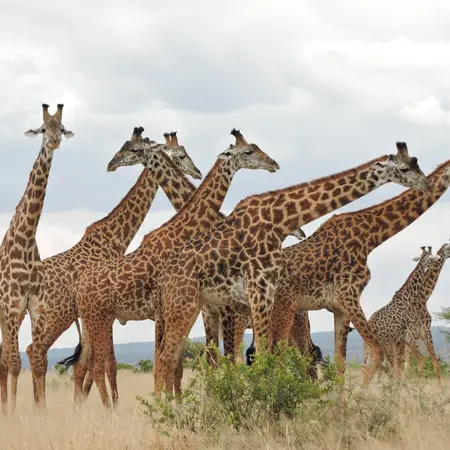
Acacia woodland morning
Morning in the fever-tree corridor — the geography that makes Seronera what it is.

Why the cats stayed resident.

Most predators in the Serengeti are at least partly migratory. The cheetahs of the eastern plains follow the gazelle migration. Hyena clans commute fifty miles a night to wherever the herds have gone. Even some of the lion prides, the nomadic males in particular, drift north with the wildebeest. But around Seronera there is no need. The Seronera river never runs dry, the topi and the impala stay year-round, and the territory rewards the prides that defend it carefully. Generations of pride mothers have raised their cubs here without ever needing to walk more than a few miles from where they were born.

The leopard in the sausage tree.

Of all the famous wildlife clichés of East Africa, the leopard draped along the limb of a sausage tree may be the most worn out — and Seronera is where the cliché came from. The fever-tree corridor and the sausage trees along the river both offer leopards the safe, elevated perches they prefer, and the dense cover means a kill can be hauled up and out of reach of the hyenas. We sometimes find the same leopard in the same tree on a Monday and a Wednesday. Persistence matters. Ten minutes of waiting under a tree your guide is sure about often beats an hour of driving in hope.

Where to stay, and when.

Most lodges in the Serengeti sit somewhere in or near this corridor, which is both a blessing and a curse. The blessing: short transfer times, easy game-drive logistics, multiple game loops within minutes of camp. The curse: in the peak months — July, August, December — the standard Seronera loops can feel busy. We work around it by booking properties on the quieter east side of the valley, by leaving camp earlier than the standard departures, and by pushing further afield on full-day drives. Done right, you can have the Big Four to yourself and still sleep on a real bed.

Ready to hear a Seronera roar?

Tell us when you’re thinking and who’s coming. We’ll shape a private safari around what you want to see.

Reach the team

Where every safari begins — with a conversation.

Direct line

+255 700 000 000

Tanzania Office

P.O. Box 746, Usa-River, Arusha

Tanzania, East Africa

Hours: Daily 8AM — 8PM EAT

Email Us

info@africawildbynaturesafaris.com

Replies within 24 hours

Tell us your story

Tell us what you’re hoping for — the people, the timing, the wild moments you’re chasing.