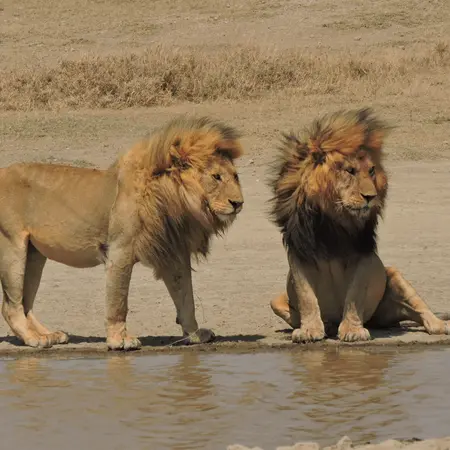
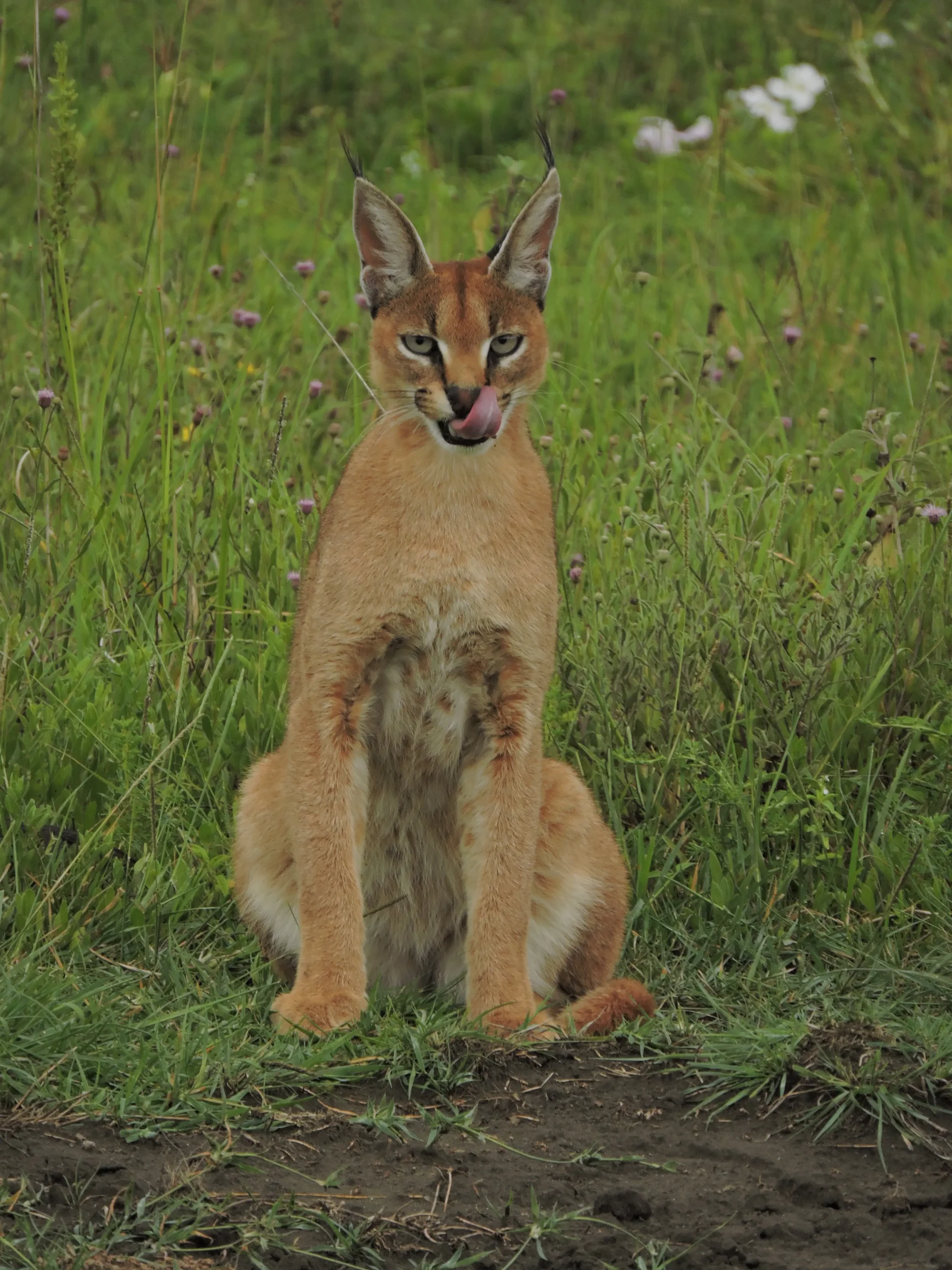
If you read enough wildlife literature about East Africa you will eventually run into the line that all of today’s crater lions descend from just fifteen survivors of a 1961 die-off. It sounds like myth-making. It is not. In the spring of that year a plague of biting flies swept across the Ngorongoro floor and reduced the resident lion population to roughly a dozen and a half animals; every pride on the crater today carries the genes of that small handful. The whole story is more interesting than the headline.
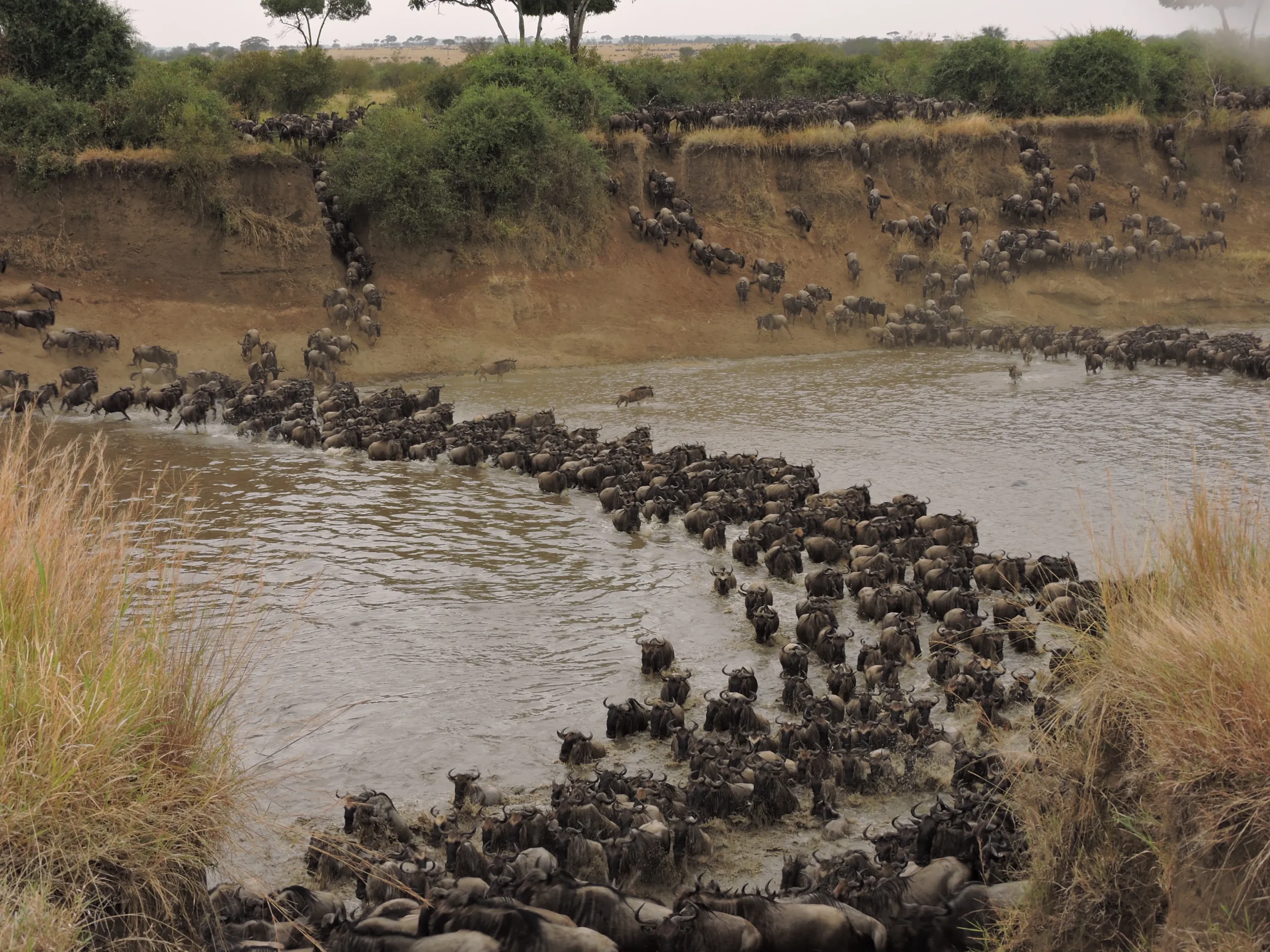
The Ngorongoro Conservation Area was set aside in 1959. The Maasai who lived on the floor were gradually relocated to the rim and beyond, taking their cattle — and, as it turned out, the open-grass management practice the wildebeest were thriving under. Within a few years of Maasai departure, the floor of the crater was a different ecosystem. The grasses grew longer and coarser. Wildebeest numbers began their long decline. Buffalo, which prefer longer grass, started to rise.
All of today’s crater lions trace back to fifteen. You can sometimes see the inbreeding in their faces — a heaviness around the jaw, certain coat patterns — that is the price of a closed population in a perfect bowl.
The plague, and the recovery.
The biting flies arrived in 1961 in a way no one was ready for. Lions are particularly vulnerable to the secondary infections those bites cause. The population fell from somewhere around a hundred animals to fifteen in a single year. Cubs went unweaned. Whole prides collapsed. The fifteen survivors, plus a few wandering males who eventually came over the rim from the outside, became the entire founding stock of the modern population. Today the count sits between thirty and forty across four prides — not the pre-plague numbers, never the pre-plague numbers, but stable.
The dynamic, and what shifts.
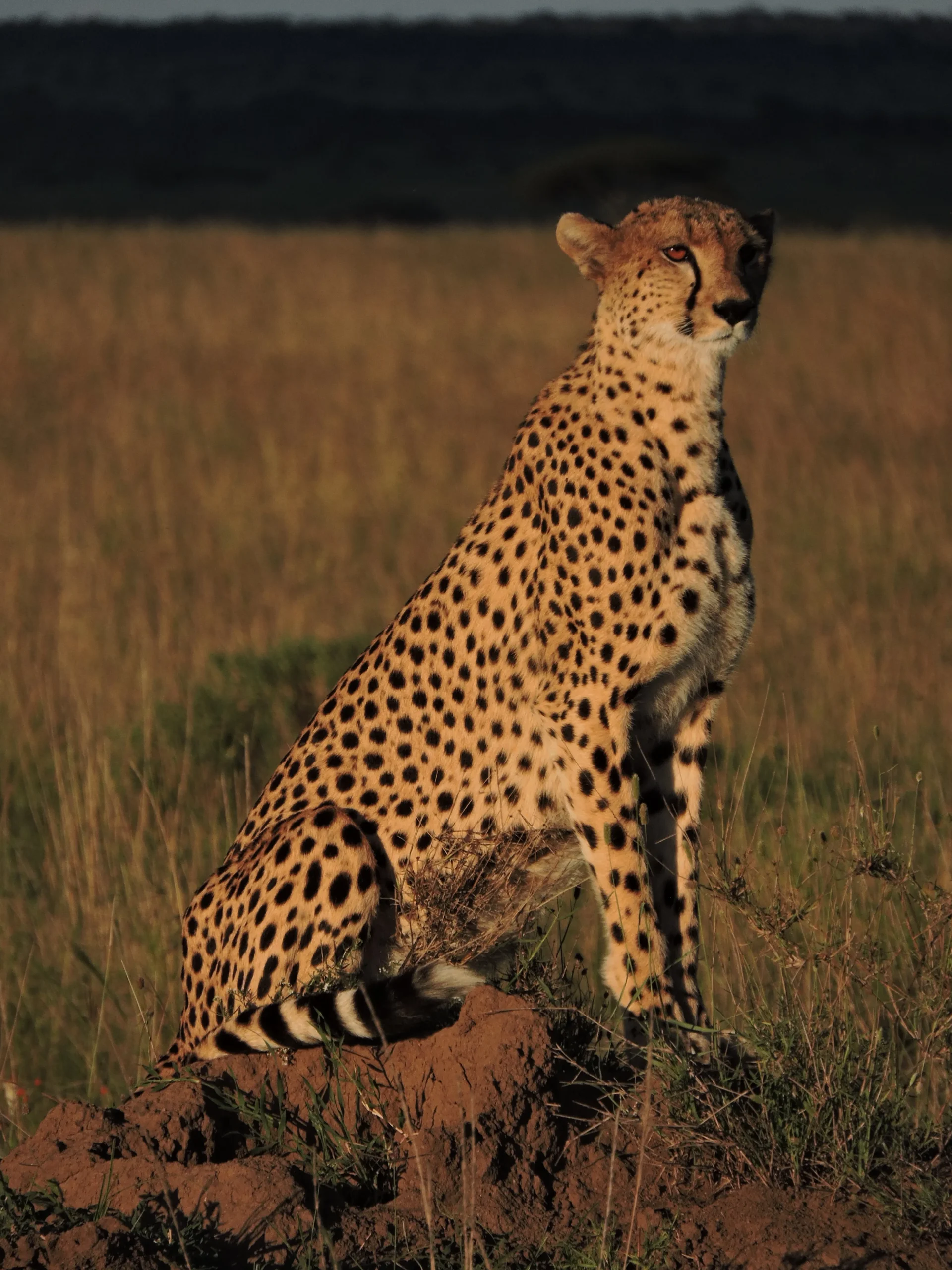
The Ngorongoro is sometimes treated as a static ecosystem, a kind of zoo with no fences. In reality it is the most volatile single ecosystem in Tanzania. Wildebeest numbers have halved since the 1970s. Buffalo numbers have nearly doubled. Cheetahs — once almost absent from the floor — are now reliably present, because the lower lion density of recent decades has let cheetah cubs survive to adulthood. The black rhino population, poached to a couple of animals in the 1980s, sits at around twenty now thanks to the rangers who watch them around the clock. The crater is alive in ways that wouldn’t make sense if you only saw it once.
How to see it properly.
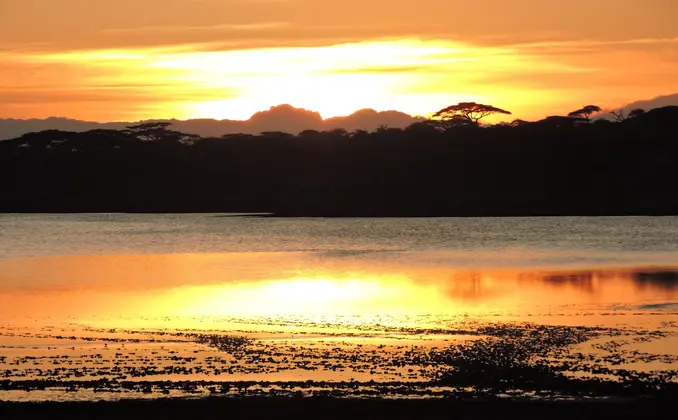
An early descent matters more here than almost anywhere in Tanzania. The gate opens at six. We leave camp at five-thirty, in the dark, with breakfast in a box, so you are on the floor as the light comes up and the predators are still active before the daytime heat puts them down. The Maasai word for sunrise into the crater is a small ritual at every camp on the rim; once you have done it once, you understand why.